Tag: engineering

  • Greg Kuchyt

    Greg Kuchyt

    [vc_row type=”in_container” full_screen_row_position=”middle” scene_position=”center” text_color=”dark” text_align=”left” overlay_strength=”0.3″][vc_column column_padding=”no-extra-padding” column_padding_position=”all” background_color_opacity=”1″ background_hover_color_opacity=”1″ width=”1/1″ tablet_text_alignment=”default” phone_text_alignment=”default”][vc_column_text]
    MEMBER SPOTLIGHT – GREG KUCHYT

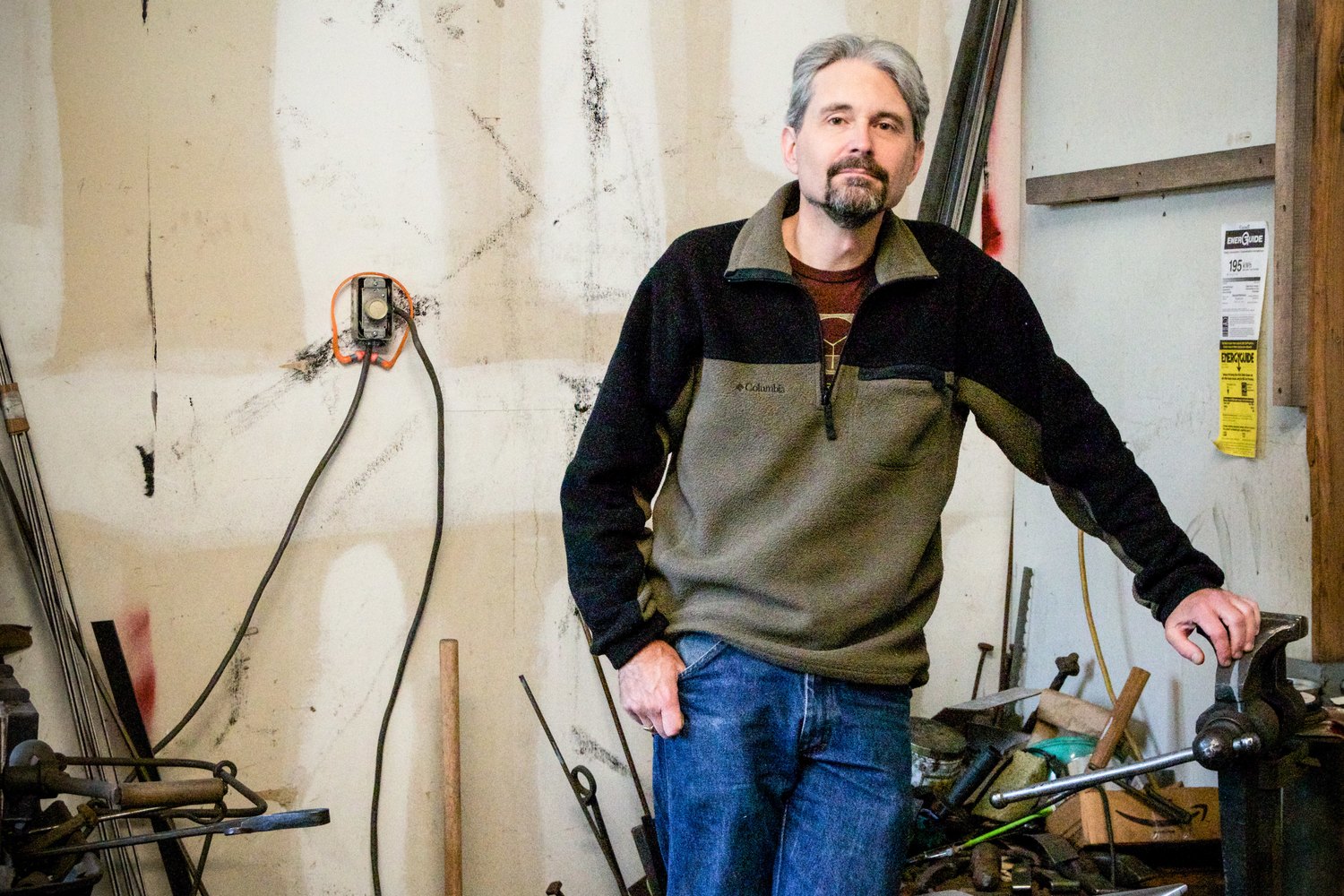
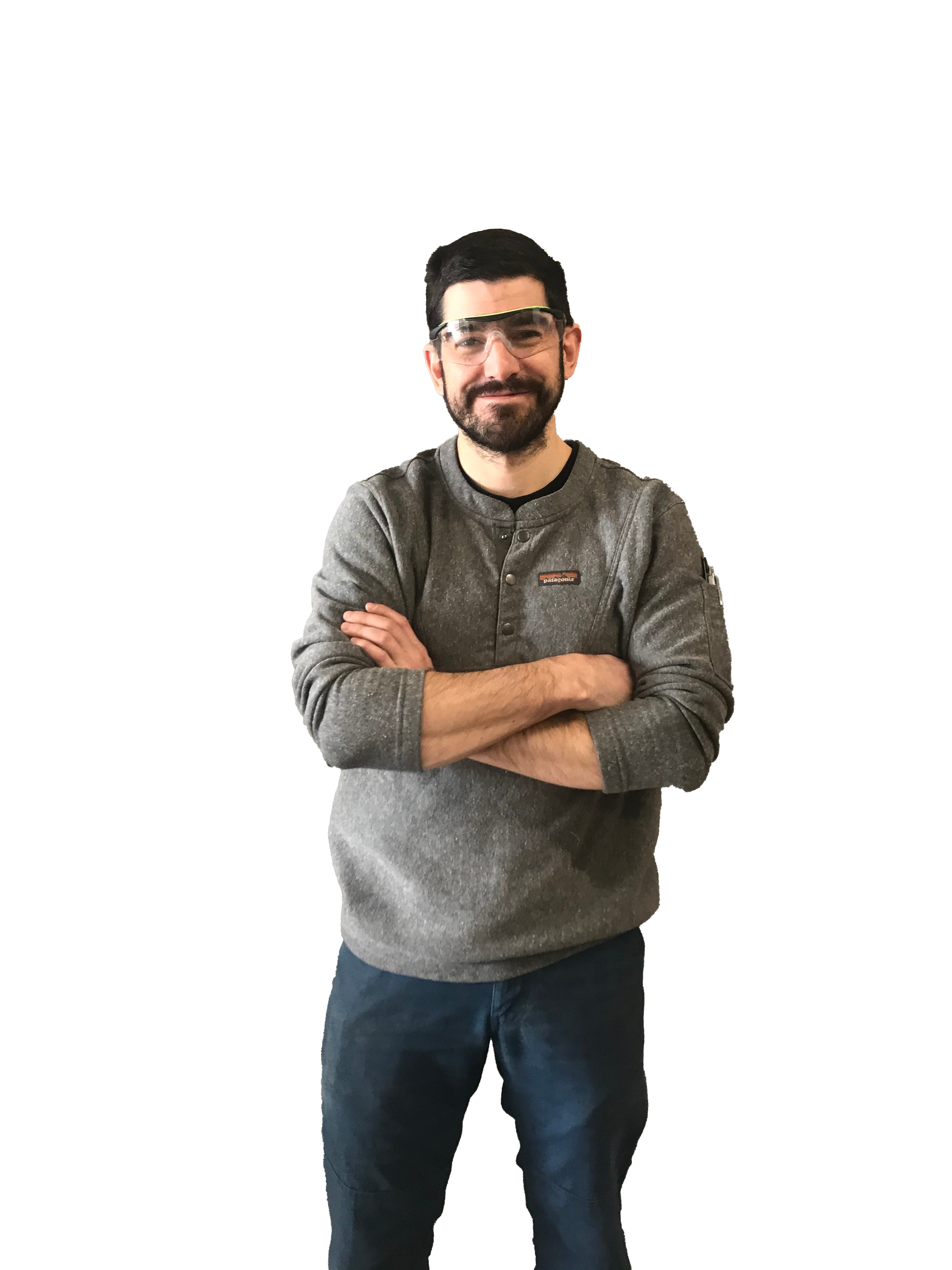
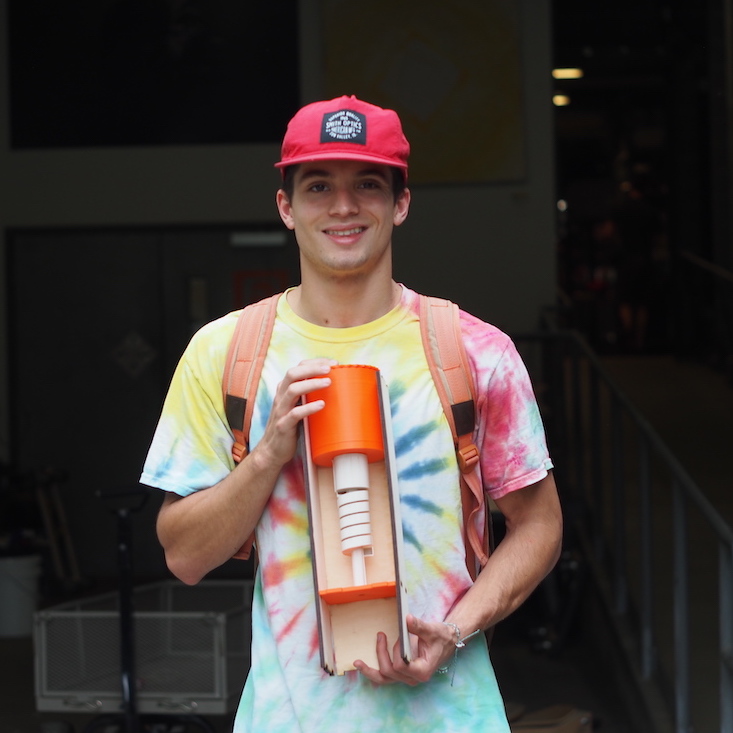
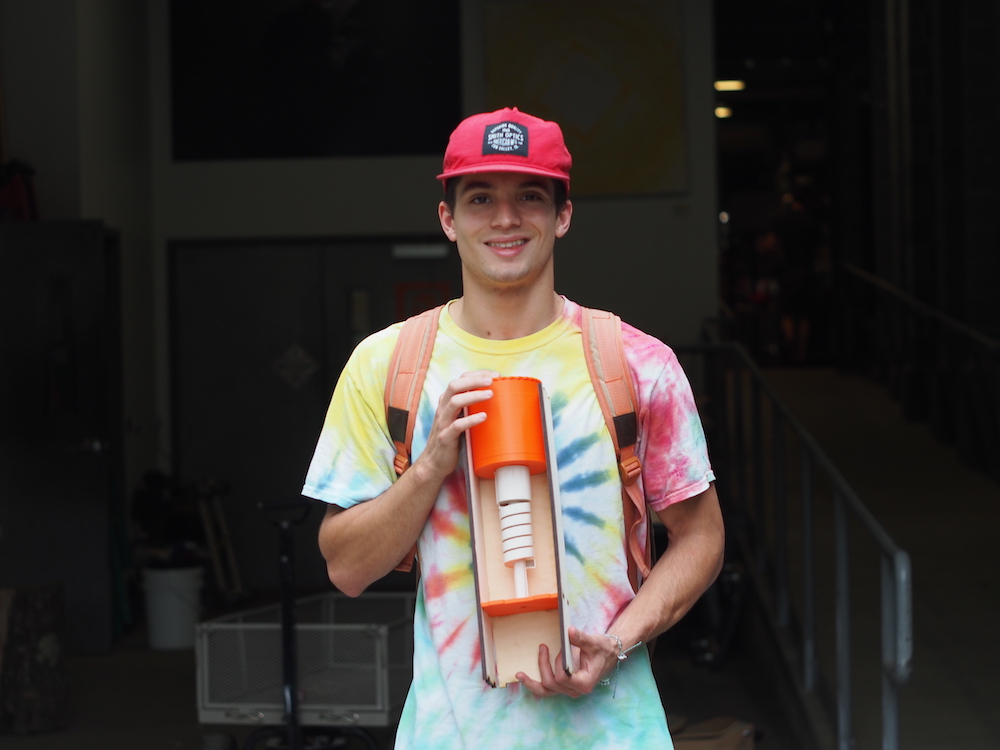
    [/vc_column_text][divider line_type=”No Line”][/vc_column][/vc_row][vc_row type=”in_container” full_screen_row_position=”middle” scene_position=”center” text_color=”dark” text_align=”left” overlay_strength=”0.3″][vc_column column_padding=”no-extra-padding” column_padding_position=”all” background_color_opacity=”1″ background_hover_color_opacity=”1″ width=”1/1″ tablet_text_alignment=”default” phone_text_alignment=”default”][vc_column_text]Greg Kuchyt is the current Metal Shop & CNC Router shop lead at Generator. Before his time in Vermont, he originally resided in the North Country of New York. He moved to Vermont in 2013, and as an avid climber, he enjoyed climbing a lot of the local cliffs. He noticed the poor condition of some of the anchors used by climbers for fall protection. Greg emphasized that these anchors are “ a life critical piece of equipment” and he got involved with a national movement seeking to effect the replacement of inadequate/improper anchors with standardized and vetted equipment.

    Greg’s volunteer work in the replacement of anchors led him to Generator. He learned that all of the tools required to replace such critical climbing equipment are custom one-off tools that do not exist through any commercial means. With no metal working experience Greg sought out local machine shops to produce the various components needed, but none of the shops he contacted responded to his inquiries. This issue turned into an opportunity as Greg learned about Generator, which had two tools he needed: a lathe and a mill. As Greg puts it “Generator has been a tremendous resource for me but also has been a resource that provides to the local climbing community, and at a national level as well.”[/vc_column_text][divider line_type=”No Line”][image_with_animation image_url=”12702″ alignment=”center” animation=”Fade In” box_shadow=”none” max_width=”100%”][divider line_type=”No Line”][vc_column_text]Since then Greg has poured countless hours into creating these tools and replacing over 600 of these anchors which has contributed tremendously towards improved climbers’ safety. Greg notes that while “it’s unlikely these things (anchors) will fail, when they do the consequences are pretty severe.” Greg noted that failures of climbing anchors have caused serious and even fatal accidents in the past. As a result, climbing organizations around the world are now tackling the issues related to replacing inadequate and aging anchors. Greg fully appreciates the barriers that exist to these organizations’ ability to remove these anchors and he has volunteered his expertise through conferences, presentations/clinics, and as a resource/tool maker for others to ensure appropriate vetted equipment is in place for climbers across the nation.

    Throughout this process, Greg was exposed to the world of machining, material science, and tenets of engineering in general. Greg is excited by material science and the comprehensive nature of designing effective mechanical devices. Originally, Greg studied computer science and worked as a Linux systems engineer at the State University of New York and University of Vermont. In 2020, Greg transitioned into the manufacturing industry to continue his learning of machining and to apply his experience from IT systems and programming. Currently, he works as a product developer at a manufacturing engineering group that specializes in the application of CNC technology, specifically post processor development and the commissioning of digital twins; digital twins are digital replicas of a CNC machine. According to Greg, these digital twins allow users to simulate the condition of materials and catch undesirable events like crashes of a machine. “We want to be able to emulate a lot of the real world in the digital space because it’s easier to fail in the digital space versus failing in the real world.” In turn, these processes are critical in the high-value low volume manufacturing world where scraped parts are costly and waste ultimately gets pushed on the consumer/tax payer.

    Greg continues to use his manufacturing experience to grow and support Generator’s emerging Fabrication Services, where custom solutions are provided to other non-profits of the City of Burlington. Greg believes that workforce development strengthens a community especially during times of need. As he puts it “There is a lot of value in having a community that is more aware of how modern manufacturing processes work because it makes that community more robust and resilient to external influences.” One example is when Generator, Burlington City Arts and the Church Street Marketplace collaborated to create huts for the Winter Artist Market in 2020. Greg lent his experience in concert with the Generator team of staff and volunteers to design and optimize the manufacturing process of the winter sheds. As a result, local artists had an opportunity to sell and promote their art safely during the pandemic.

    Greg continues to support and help at the Generator whenever he can. His current project is to “try to be like a sponge and grow as a human.”[/vc_column_text][divider line_type=”No Line”][vc_column_text]

    Intro To Digital Manufacturing: Laguna CNC Router Training Course

    [/vc_column_text][divider line_type=”No Line”][image_with_animation image_url=”12697″ alignment=”center” animation=”Fade In” box_shadow=”none” max_width=”100%”][divider line_type=”No Line”][vc_column_text]If you’re interested in learning more about Generator’s CNC and Digital Manufacturing technology, check out the upcoming series of trainings listed below that will provide students with an introduction to digital manufacturing and CNC router operation. Students will cover CAD/CAM software and CNC machine tool operation to produce a custom smartphone docking station. Students will be guided through the processes of creating 3D models in CAD and programming the manufacturing process in CAM followed by step by step instruction for safe operation of the CNC router.

    July 18th, 25th, & August 1st – 7.5 Hours Total 

    August 15th, 22nd, & 29th – 7.5 Hours Total 

    September 7th, 13th, & 21st – 7.5 Hours Total[/vc_column_text][divider line_type=”No Line”][/vc_column][/vc_row]
  • Maker in Residence: Colin Gaunt

    Maker in Residence: Colin Gaunt

    Meet our current Maker in Residence: Colin Gaunt.

    Colin Gaunt Sipping Safe Maker in Residence

    Colin is a recent Saint Michael’s College grad developing an affordable, portable device using ultra-efficient LED technology to disinfect water on an individual or family-sized scale.

    From Saint Michael’s:

    “Gaunt said the market niche he is trying to fill with the Sipping Safe is ‘a family unit essentially,’ explaining, ‘there already are products that can give water to 1,000 people really well or to one person fairly well, but there isn’t a product that can give water to a family of 6 to 12 without a plumbing network of some kind.’ His device would not need to be pressurized like many existing devices, which is another big advantage. ‘I’m thinking of any developing nation or city that doesn’t have access to a steady plumbing system,’ he said.”

    Colin Gaunt Maker in Residence Sipping Safe

    Colin is also a Jump Start Collegiate cohort member, so he’s been spending a lot of time here making his first prototype using the Prusa 3D printer and Epilog laser cutter. Next step? Make the thing! 

    Follow along on Instagram to see Colin’s progress.

  • SPARK empowers Vermont’s lost Einsteins

    SPARK empowers Vermont’s lost Einsteins

    A 2017 article in The Atlantic titled, “America’s Lost Einsteins,” by Alana Semuels, focuses on the economic disparity of who gets to invent — and how that affects us all.

    Semuels found that “…if women, minorities, and children from low- and middle-income families invented at the same rate as white men from high-income families, there would be four times as many inventors in America as there are today.”


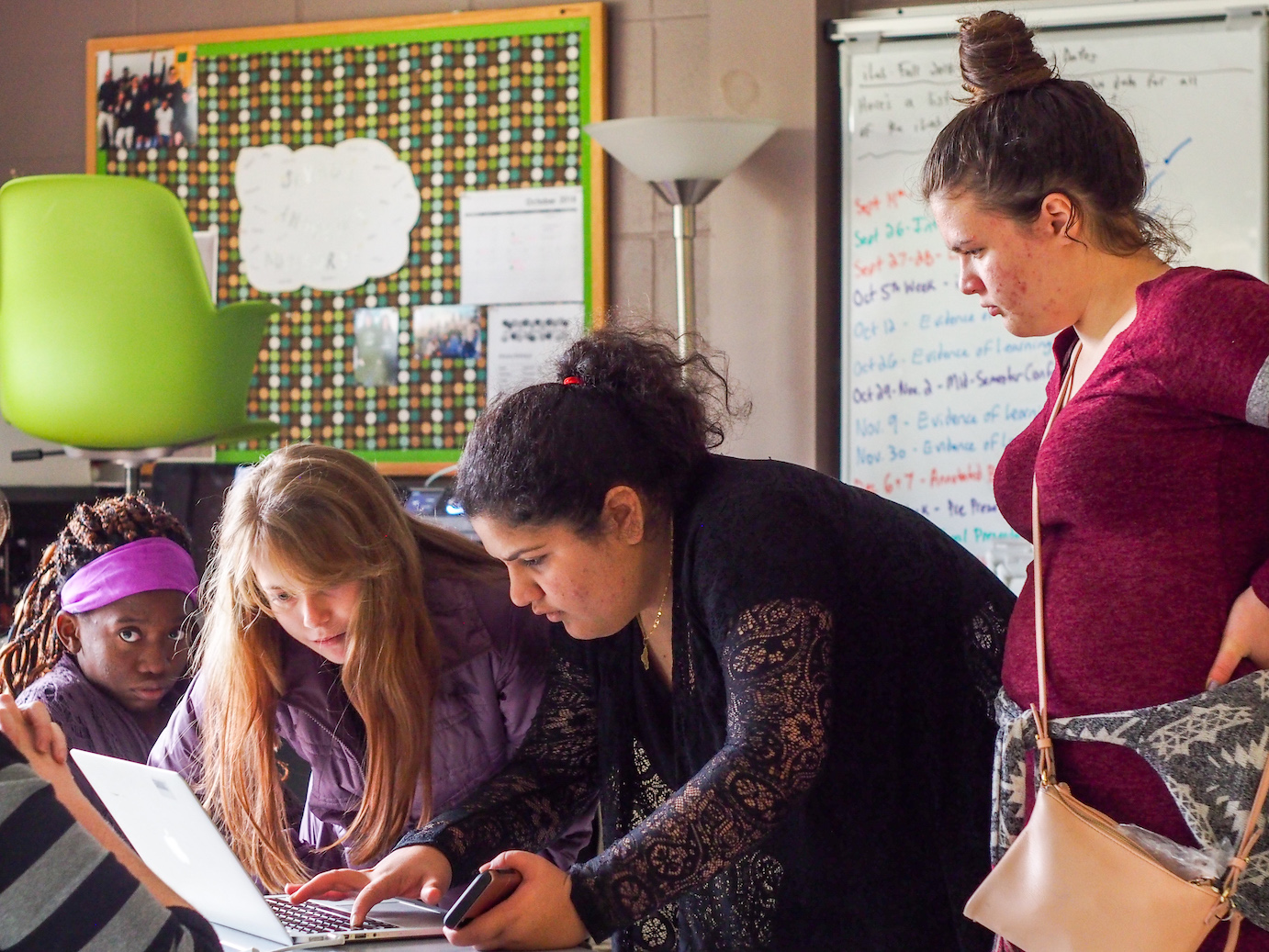
    The Winooski High School SPARK team does some research.

    More inventors mean more innovation, and more innovation means more people are contributing to the broader social good, including a thriving economy.

    Stunningly, researchers found that “if girls were as exposed to female inventors as boys are to male inventors, the gender gap between male and female inventors would fall by half.”

    Generator’s solution? SPARK.

    Our SPARK program engages women and gender non-conforming students in the STEM fields — that’s science, technology, engineering, and math — through a year-long design-thinking process to develop, prototype, and pitch an invention.

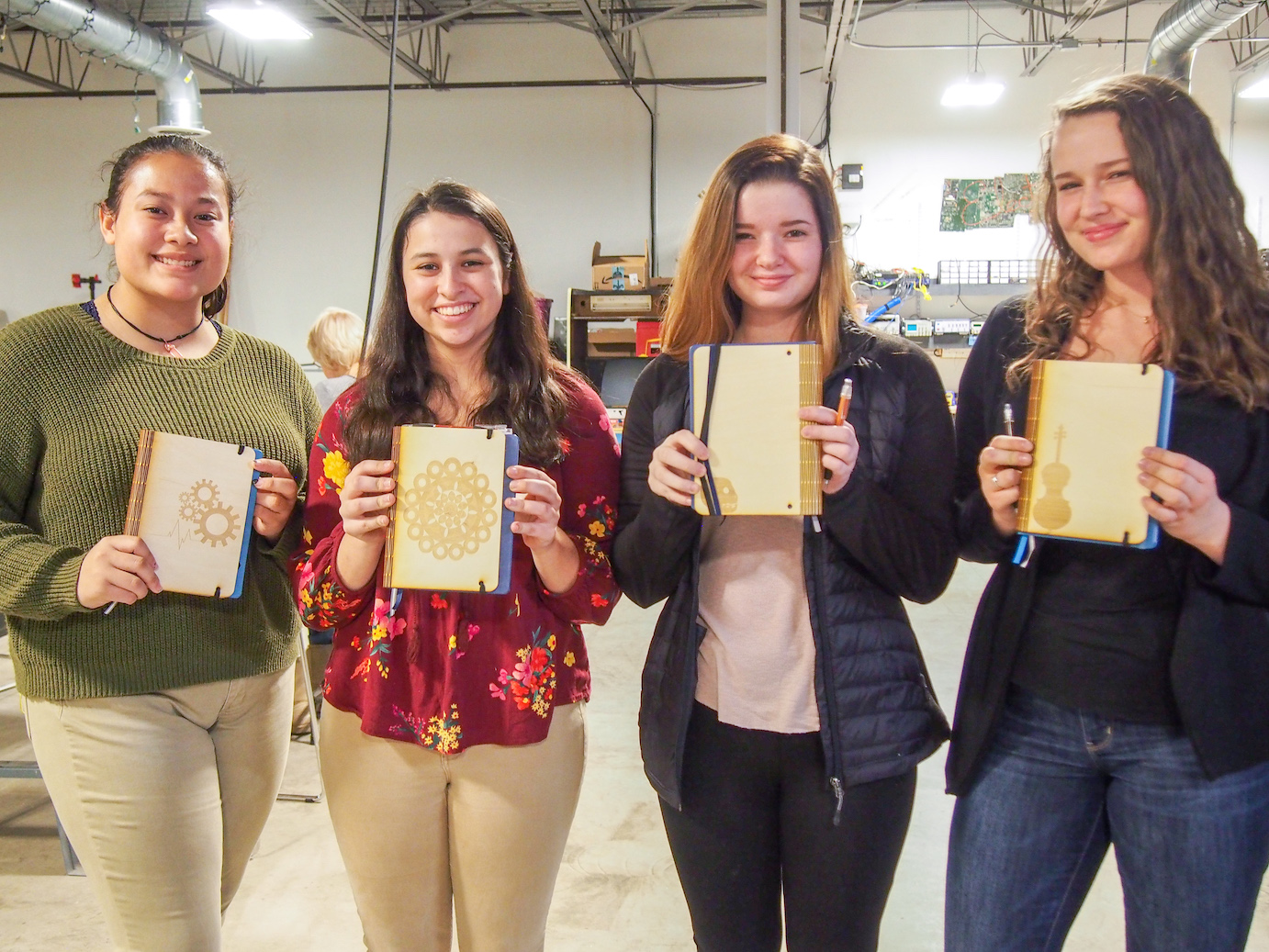
    Spaulding High School (Barre) students show off laser cut live binding journals they made in a workshop where they learned how to use Adobe Illustrator and the Epilog laser cutter.

    SPARK’s focus is to expose students to careers in the STEM fields with long-term mentor relationships, ongoing exposure to advanced tools and technology, and by experiencing failure in a supportive and collaborative environment.

    “School doesn’t teach you that failing is part of learning,” Program Director Rachel Hooper said, “Students get this false idea that success is a polished thing that only smart people achieve when in reality those ‘successful’ people had more opportunities, they had support, and they still probably experienced a lot of failures before they became successful.”

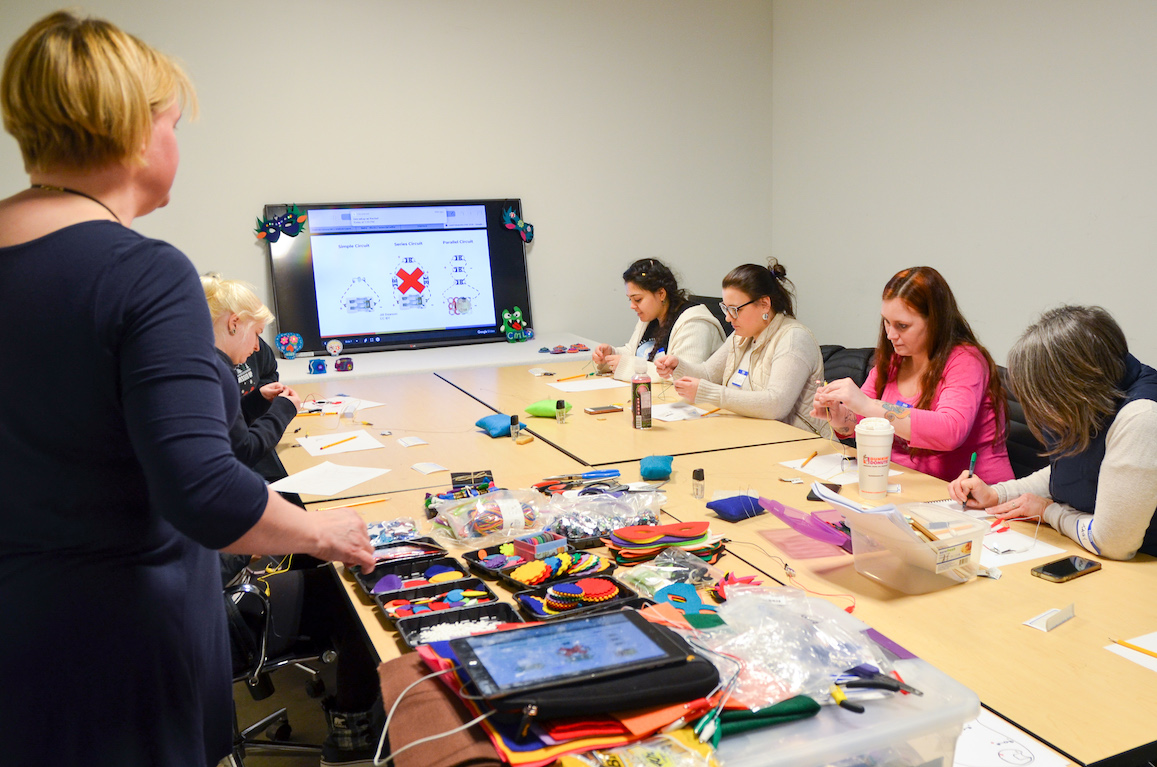
    The team from LUND Center participates in a wearable electronics workshop with Generator member and educator Jill Dawson and learns about basic wiring and electronics.

    Hooper set out to design an ambitious program. She partnered with Connie Liu, founder of Project Invent, using their curriculum to shape a program that uses design-thinking and physical computing to create new technologies that solve problems that affect their communities.

    “Design thinking is a human-centered approach to problem-solving,” Hooper explained, “It’s an iterative design process in which teams design with community members to solve their problems by empathizing with their needs. Students learn to test their ideas prototypically and bring their designs back to the community member for testing and feedback throughout the process.”

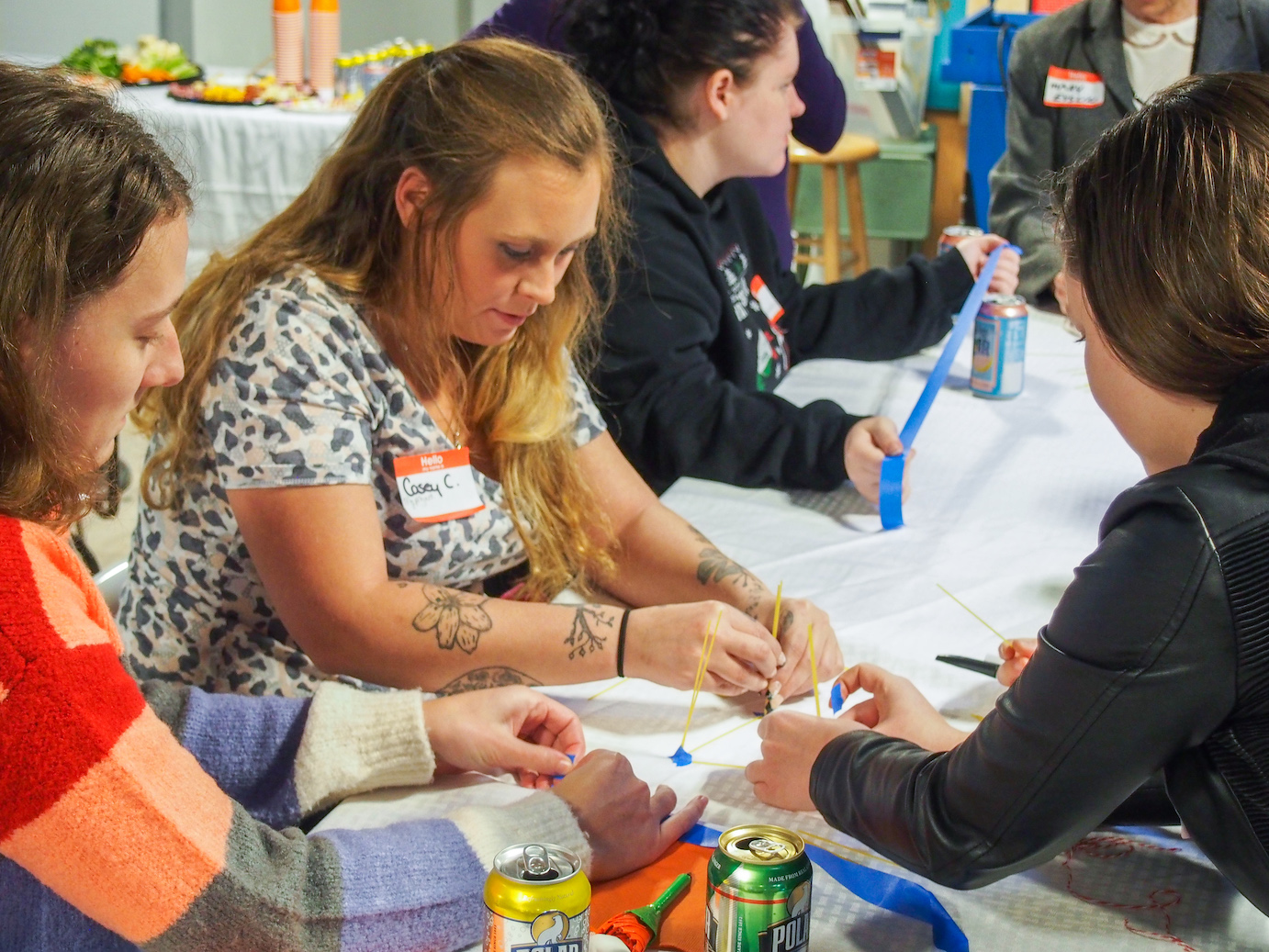
    At the SPARK kick-off event, teams participated in fun exercises like the Spaghetti Tower Challenge to warm up their design-thinking, team-working, and problem-solving skills.

    Generator partnered with Winooski High School, Spaulding High School in Barre, and the Lund Center. Each institution had students facing different barriers.

    “There are very large gaps in innovation by income, race, and gender,” Hooper said. “Most young people are not being shown these kinds of STEM pathways and they are not seeing themselves represented in the STEM community. When young women are invited to the world of design and invention and shown that other women are building their careers in the STEM fields they can create a pathway for themselves.”

    Education and Outreach Director Rachel Hooper facilitates a brainstorming session for the Spaulding High School team.

    SPARK started in fall 2018. Rachel met with teams once each week, usually at their schools, to brainstorm project ideas. The teams worked in consensus to conceive of and refine their project ideas.

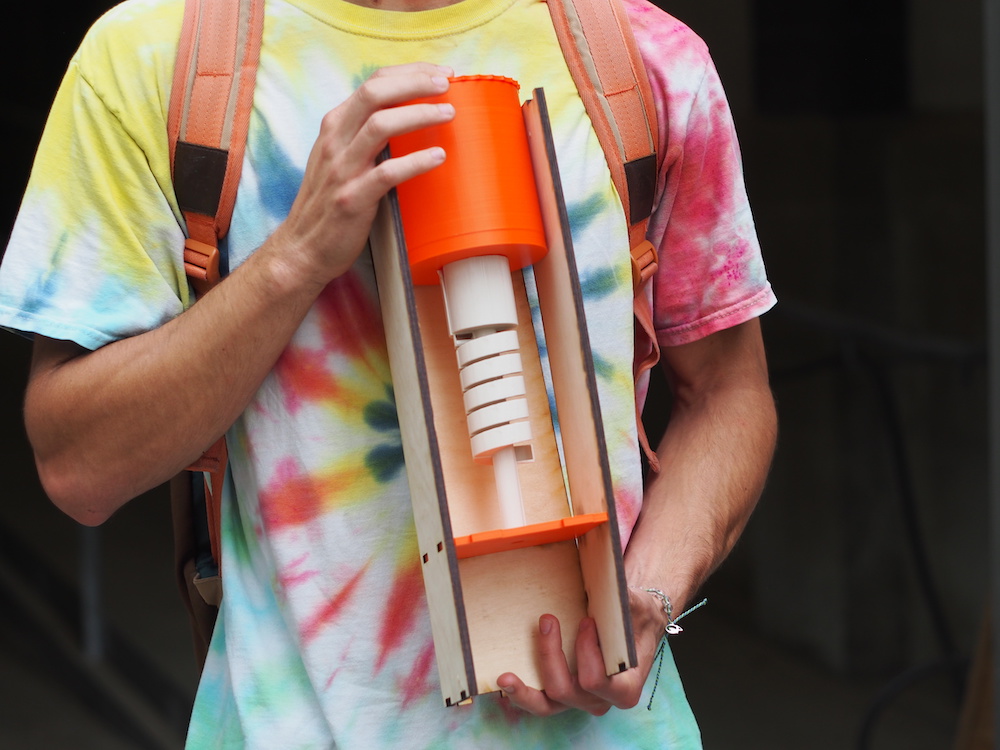
    The team from Spaulding High School is developing a concussion tracking field kit for nurses and athletic coaches to track student-athletes’ brain health throughout their high school experience. Collecting this data could change the way schools help students recover after a concussion.

    Because it’s a design-thinking process, the team’s first task was to meet with people who had experience with concussions so that they could listen and design with an end-user in mind.

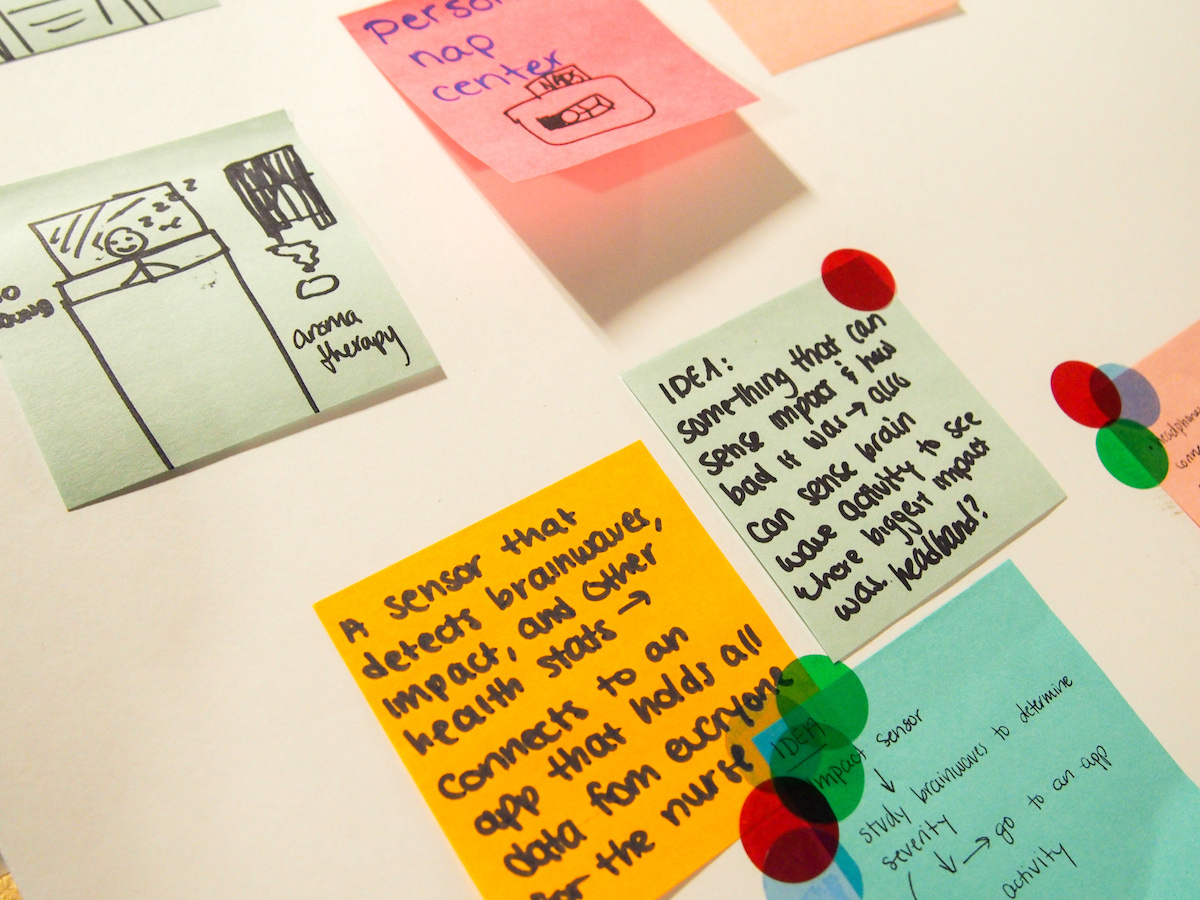
    Some ideas from one of the SPARK teams.

    The Spaulding Team was able to meet with a Generator member who had a traumatic brain injury (TBI), as well as a person who runs a TBI support group at UVM.

    Through these meetings, the Spaulding High SPARK team learned that simply recognizing a concussion was a challenge, so the team shifted gears; instead of designing a product for concussion relief, the team set out to develop a concussion identification field kit for school nurses and coaches.

    With their product ideas in mind and on paper, the SPARK teams started meeting at Generator to begin prototyping.

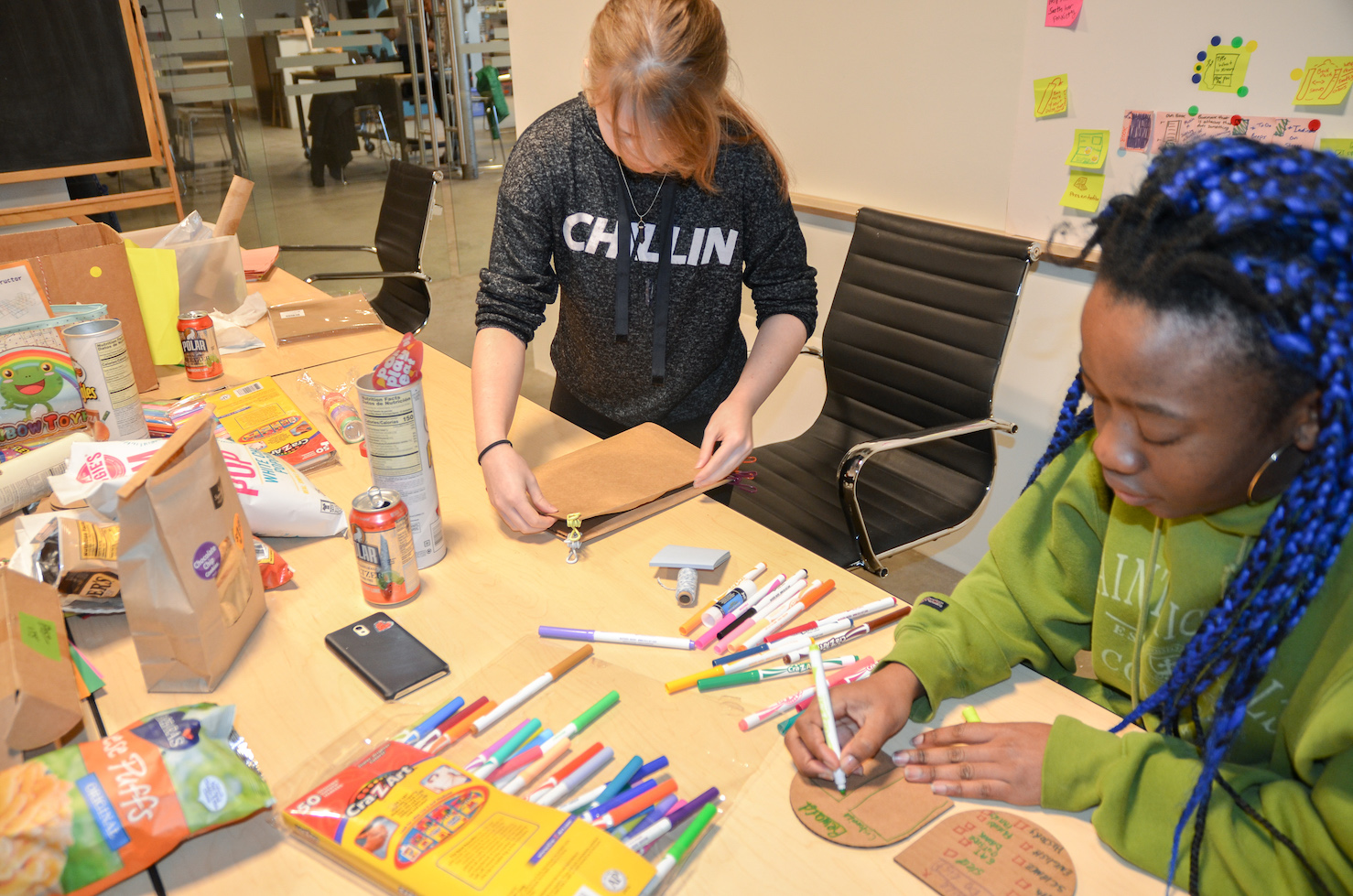
    Madison (left) and Stephie (right) of the Winooski SPARK team work on prototypes in Generator’s conference room.

    “I went into this new environment, Generator, and it stimulated me to work harder,” said Madison, a senior at Winooski High School. “There were lots of tools, and we were in this board meeting room with glass doors… it made me feel more important and like I was actually doing something helpful for people.”

    First, the students worked with art materials and cardboard to sculpt their prototypes. Soon, they’ll learn how to design in Illustrator and other computer programs to create prototypes with the laser cutter, the 3D printer, and in the electronics lab.

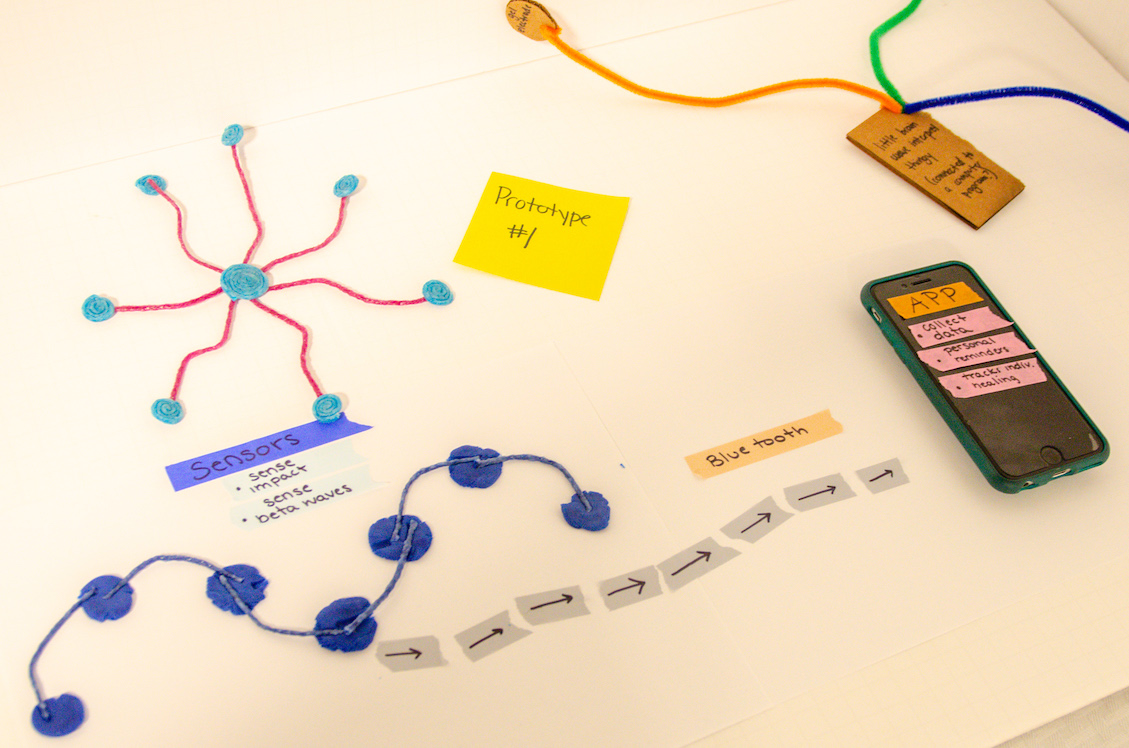
    Prototypes from one of the SPARK teams.

    Once the prototype is made, the next step is to have their subjects test their inventions. “We’re making assumptions,” Stephie, a sophomore at Winooski High School explained, “Now we need to get into the reality and see if this is really working, and if it’s not, our goal is to find something else that works better.”

    So is SPARK working?

    “Since I’m a senior and I’m about to graduate I am thinking of careers and stuff,” said Madison, “Ever since SPARK my eyes have been opened to inventing.”

    Madison went on to say that she’s hoping to spend more time at Generator. “I’m excited to figure out how to make more things with sensors.”

    Stephie of the Winooski High School SPARK team shows off her prototype for a heart rate monitor necklace that helps the wearer monitor stress.

    Program Director Rachel Hooper isn’t surprised. “The traditional thinking is that you need to be good at math and science and you have to have four years of undergrad AND an advanced degree to enter a STEM field,” she said. “Makerspaces change that.”

    Stay tuned for more from SPARK.


  • Meet the 2019 Jump/Start maker-entrepreneurs

    Meet the 2019 Jump/Start maker-entrepreneurs

    [vc_row type=”in_container” full_screen_row_position=”middle” scene_position=”center” text_color=”dark” text_align=”left” overlay_strength=”0.3″][vc_column column_padding=”no-extra-padding” column_padding_position=”all” background_color_opacity=”1″ background_hover_color_opacity=”1″ width=”1/1″ tablet_text_alignment=”default” phone_text_alignment=”default”][vc_column_text]Generator is all about combining art, technology, and entrepreneurship, and no program does that better than our Jump/Start program.

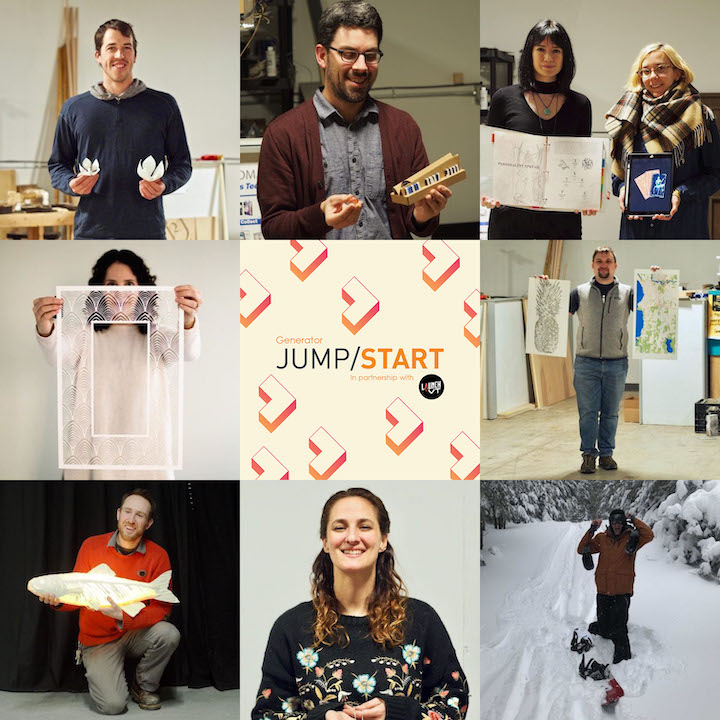
    The small product-based business incubator program, facilitated in partnership with LaunchVT, welcomed eight maker-entrepreneurs into the 2019 cohort.

    These folks are spending nine weeks at Generator building foundations for their businesses, accessing our workshops and resident tool experts to iterate on their existing prototypes, receiving mentoring from local business leaders, and preparing to launch their small businesses!

    We’re thrilled to introduce you to the cohort and their products:[/vc_column_text][divider line_type=”No Line”][divider line_type=”No Line”][divider line_type=”No Line”][vc_row_inner text_align=”left”][vc_column_inner column_padding=”no-extra-padding” column_padding_position=”all” background_color_opacity=”1″ width=”1/2″][vc_column_text]

    [/vc_column_text][/vc_column_inner][vc_column_inner column_padding=”no-extra-padding” column_padding_position=”all” background_color_opacity=”1″ width=”1/2″][vc_column_text]

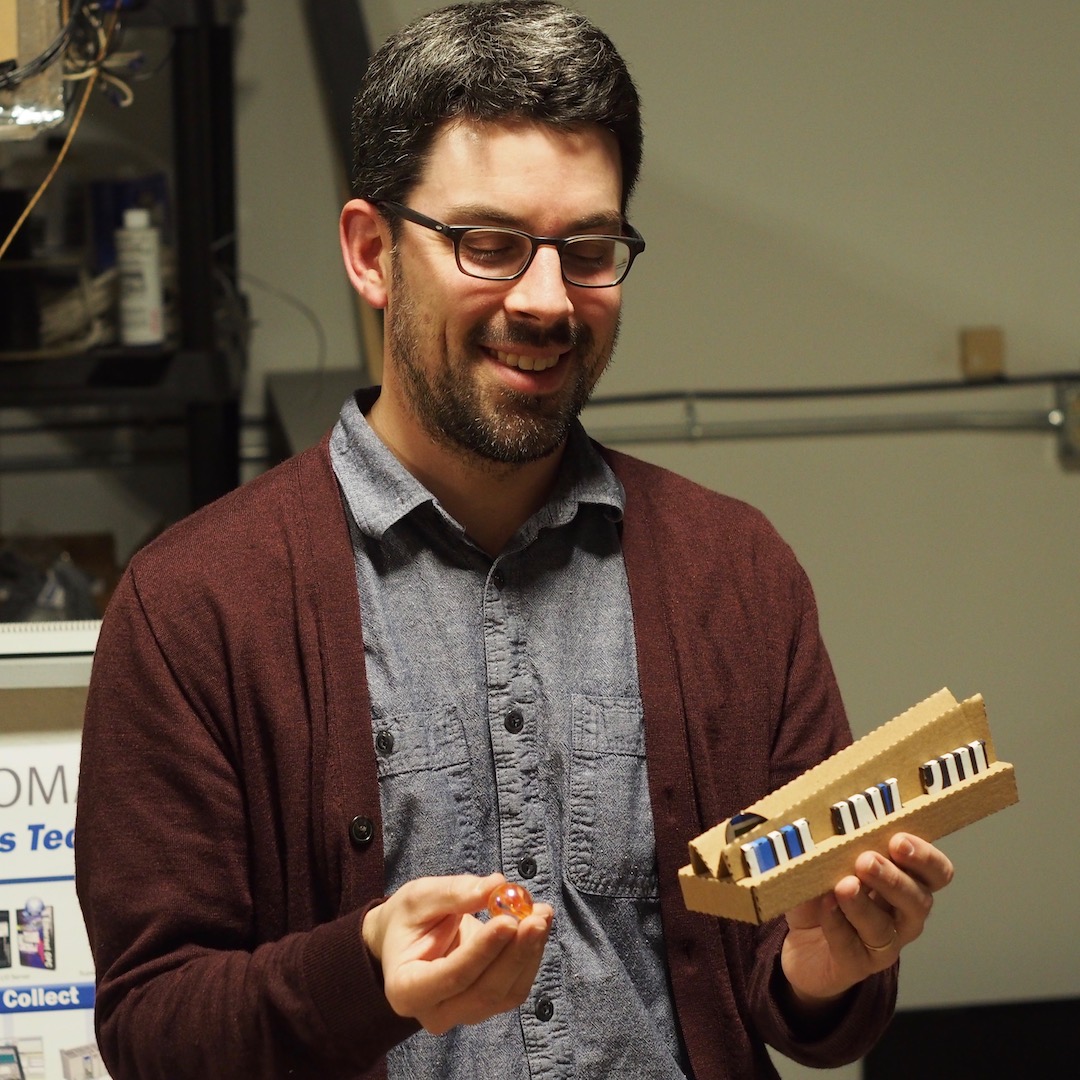
    1. Todd Taylor and Marble Mundo

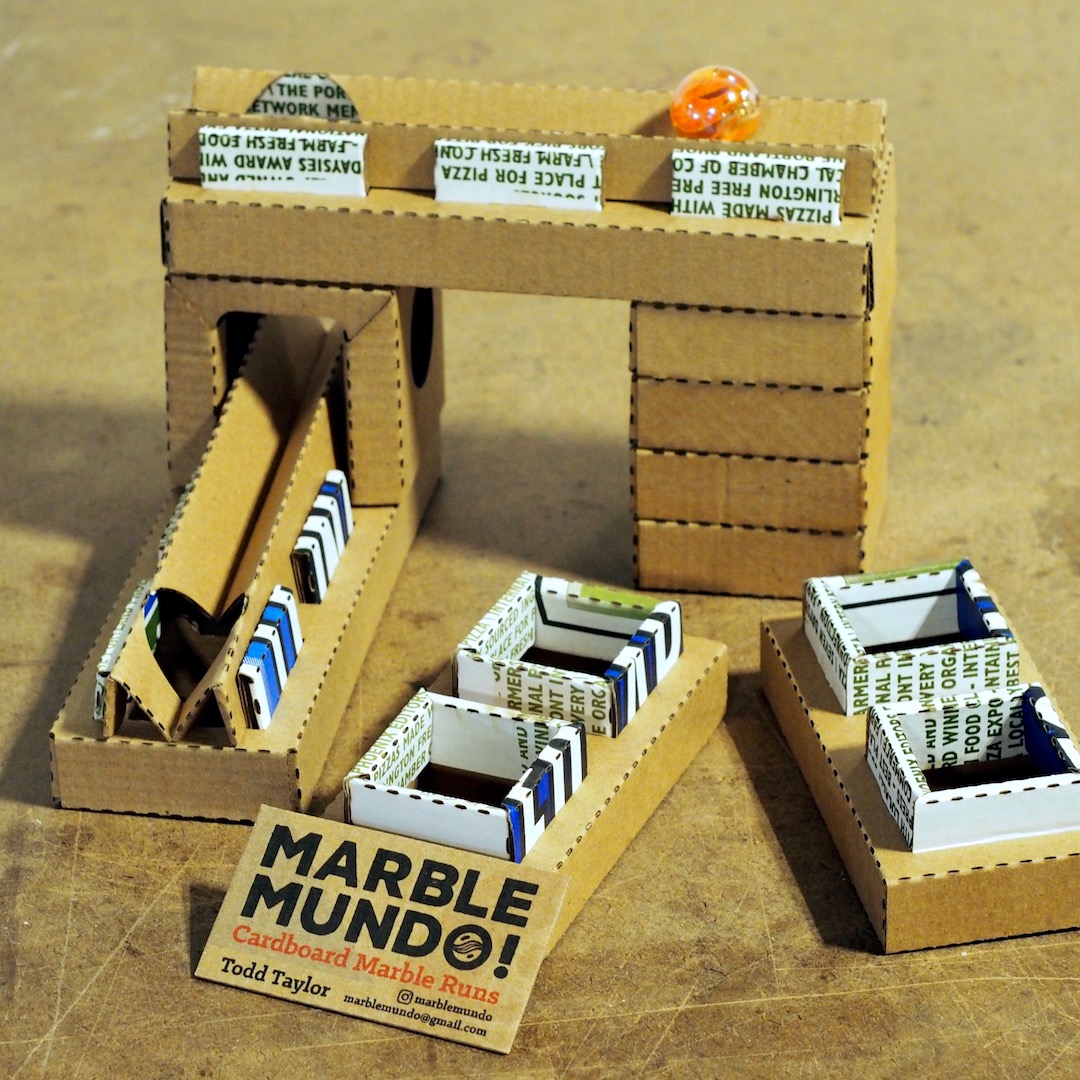
    “Marble Mundo reimagines the way we play and learn, one fold at a time, through marble run building kits for kids made from cardboard,” Todd writes. Marble Mundo is a toy for children that folds and assembles into interlocking blocks and ramps. Those pieces then connect to form marble runs in an open-ended system of play.

    Todd is a Generator member and has been prototyping Marble Mundo for the past year by collecting pizza boxes and cutting them on the Epilog laser cutter. Todd received $5,000 worth of in-kind prototyping services when he won Generator’s 2017 Pitch It, Fab It contest hosted by Generator and UVM IMF. Todd is excited to continue his work on prototyping while focusing more on marketing, distribution, and his business model with the Jump/Start cohort and mentors.[/vc_column_text][/vc_column_inner][/vc_row_inner][vc_row_inner text_align=”left”][vc_column_inner column_padding=”no-extra-padding” column_padding_position=”all” background_color_opacity=”1″ width=”1/2″][vc_column_text]

    [/vc_column_text][/vc_column_inner][vc_column_inner column_padding=”no-extra-padding” column_padding_position=”all” background_color_opacity=”1″ width=”1/2″][vc_column_text]

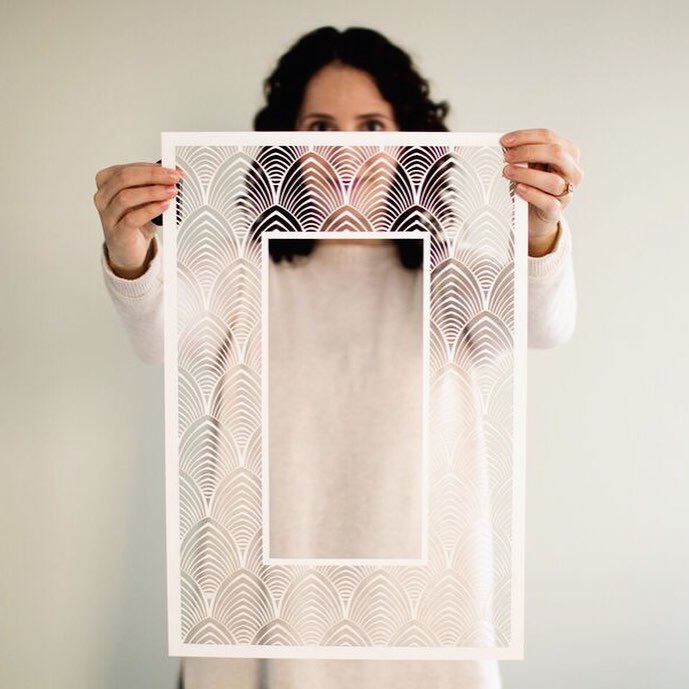
    2. Adriana Saipe and Ink with Intent

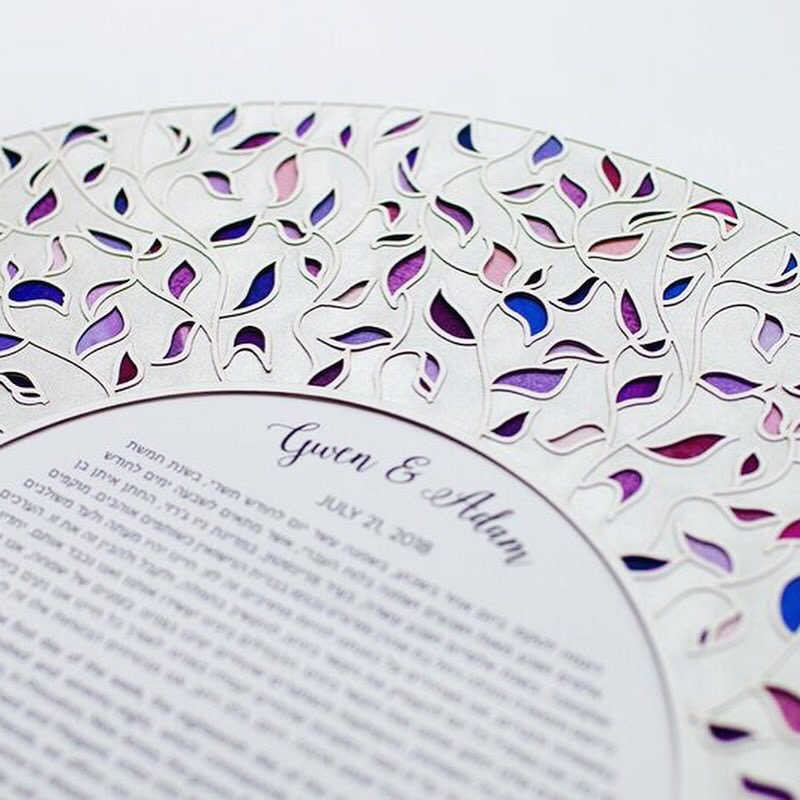
    Adriana is a freelance illustrator who creates customized Jewish wedding contracts (ketubahs) and secular wedding certificates. She’s run her own business (inkwithintent.com) for the past five years and recently joined Generator to start incorporating ornate paper cut elements into the ketubahs

    Or participating in Jump/Start, Adriana writes, “The thing that appeals most to me about the Jump/Start program is the mentorship component. I would absolutely love to have an outsider’s perspective on what’s working and what’s not in my business and where I might go from here. And I’d love to get my hands on the curriculum! Given that I’ve trial-and-errored my way through the first stages of my business, it would be wonderful to take a step back and learn some of the basics that I may have skipped at the beginning.”[/vc_column_text][/vc_column_inner][/vc_row_inner][vc_row_inner text_align=”left”][vc_column_inner column_padding=”no-extra-padding” column_padding_position=”all” background_color_opacity=”1″ width=”1/2″][vc_column_text]

    [/vc_column_text][/vc_column_inner][vc_column_inner column_padding=”no-extra-padding” column_padding_position=”all” background_color_opacity=”1″ width=”1/2″][vc_column_text]

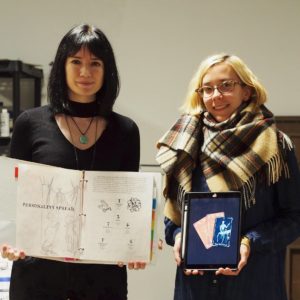
    3. Fat Bird Studios and Querent

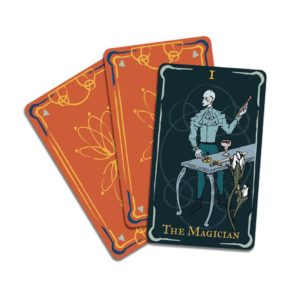
    Fat Bird Studios is a design and game studio consisting of Amila, Kayla, and Mish. Their game, Querent, is a tabletop roleplaying game that uses tarot cards to create a narrative-driven and personal experience.

    “We have two products, the first being our guidebook The Cartomancer’s Tome. This is a 250+ page guidebook that will house the rules of our game as well as charts to help players decipher the meanings of tarot cards in relation to certain game-related spreads. Our second product is our custom 78-card tarot deck. Each card will be illustrated by our artist Amila to capture the essence of Querent and the meanings of traditional tarot cards.”

    Fat Bird Studios ran a Kickstarter campaign that was funded 820% of their original goal. Now they’re focused on developing on online store to take pre-orders and to conduct on-going business. They’re excited to participate in Jump/Start and receive coaching around finances and business growth.[/vc_column_text][/vc_column_inner][/vc_row_inner][vc_row_inner text_align=”left”][vc_column_inner column_padding=”no-extra-padding” column_padding_position=”all” background_color_opacity=”1″ width=”1/2″][vc_column_text][/vc_column_text][/vc_column_inner][vc_column_inner column_padding=”no-extra-padding” column_padding_position=”all” background_color_opacity=”1″ width=”1/2″][vc_column_text]

    4. Mat Gilbert and Robot Draws You

    “Robot Draws You provides a fun interactive ‘photo booth’ experience where people can watch a plotter machine draw their pictures. It can also be used to create pen drawings of existing photos that were shot by more professional photographers.”

    Mat’s focus during Jump/Start is developing a business plan that combines his different opportunities to generate revenue, including corporate events, personal sessions, and retail sales of components of the ‘booth’ in the form of kits or 3D printable parts that would be available for purchase via online download.[/vc_column_text][/vc_column_inner][/vc_row_inner][vc_row_inner text_align=”left”][vc_column_inner column_padding=”no-extra-padding” column_padding_position=”all” background_color_opacity=”1″ width=”1/2″][vc_column_text]

    [/vc_column_text][/vc_column_inner][vc_column_inner column_padding=”no-extra-padding” column_padding_position=”all” background_color_opacity=”1″ width=”1/2″][vc_column_text]

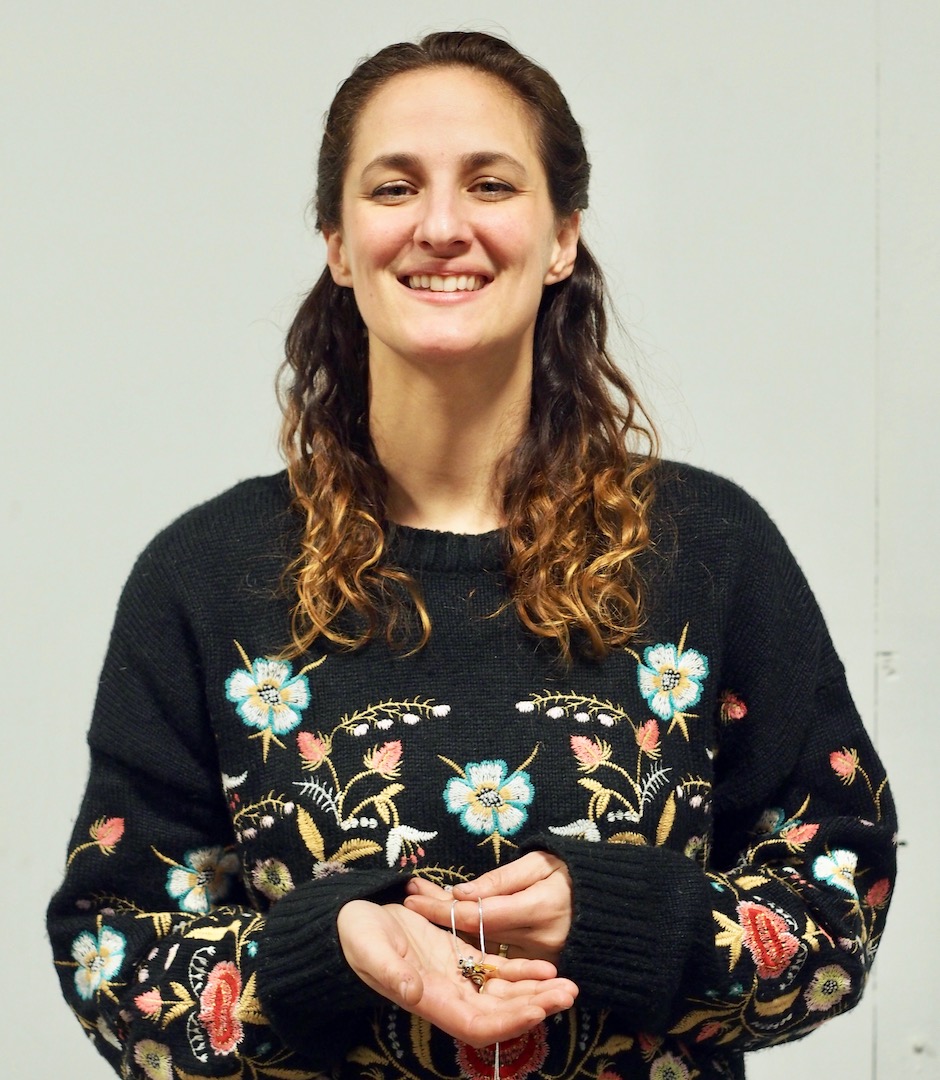
    5. Tessa Hill and Tessa Hill Sculpture

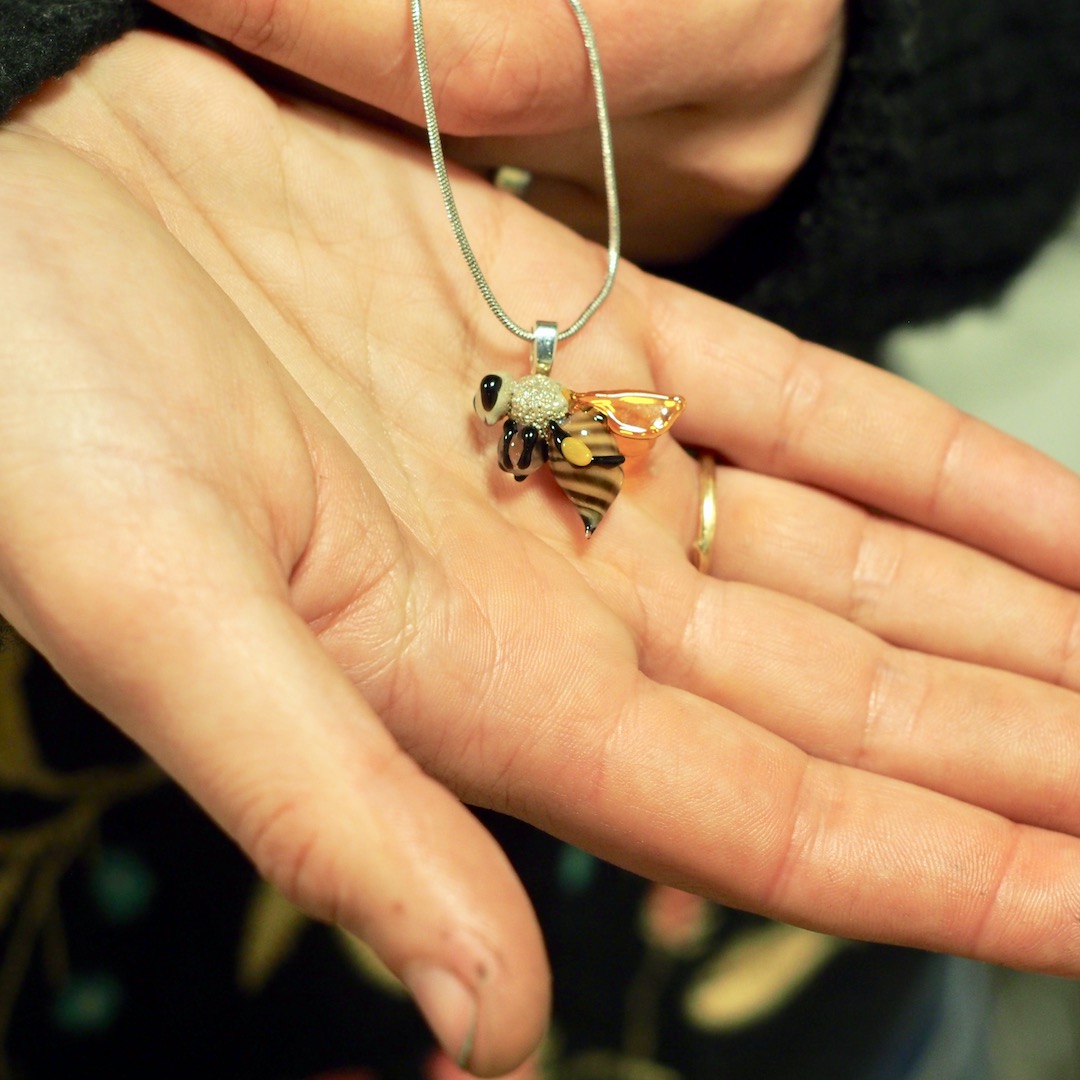
    Tessa has 10 years of glass blowing experience — and it shows. Her small and detailed glass jewelry is stunning and she’s sold it through her Etsy shop for the past seven years.

    Her focus in Jump/Start will be expanding production and distribution of one of her most popular items: a handblown glass honey bee pendant, the sales of which support honey bee conservation. She’s focused on using Jump/Start to plan for growth, including outsourcing some of her production and increasing the number of galleries and retail outlets carrying her bee necklaces.[/vc_column_text][/vc_column_inner][/vc_row_inner][vc_row_inner text_align=”left”][vc_column_inner column_padding=”no-extra-padding” column_padding_position=”all” background_color_opacity=”1″ width=”1/2″][vc_column_text]

    [/vc_column_text][/vc_column_inner][vc_column_inner column_padding=”no-extra-padding” column_padding_position=”all” background_color_opacity=”1″ width=”1/2″][vc_column_text]

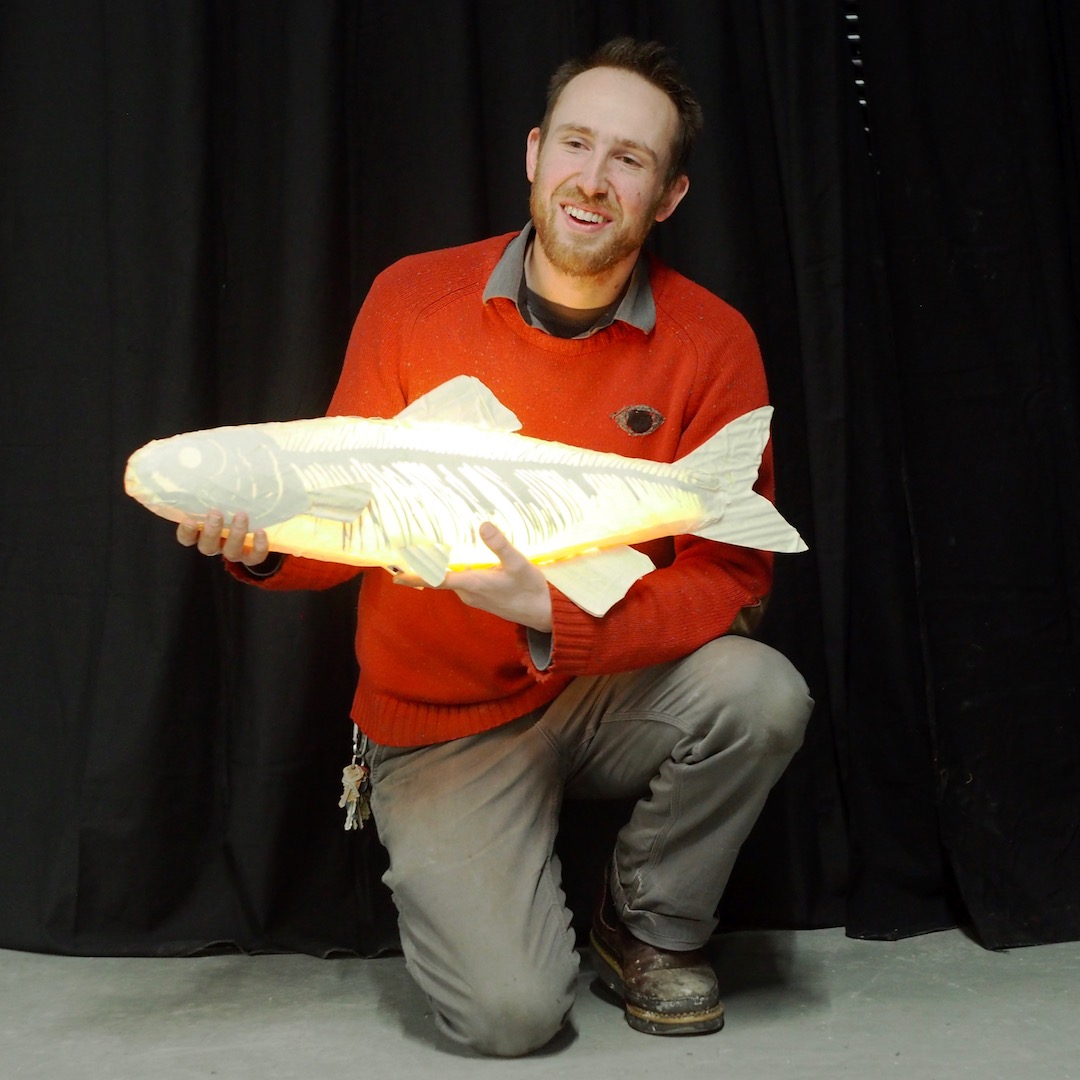
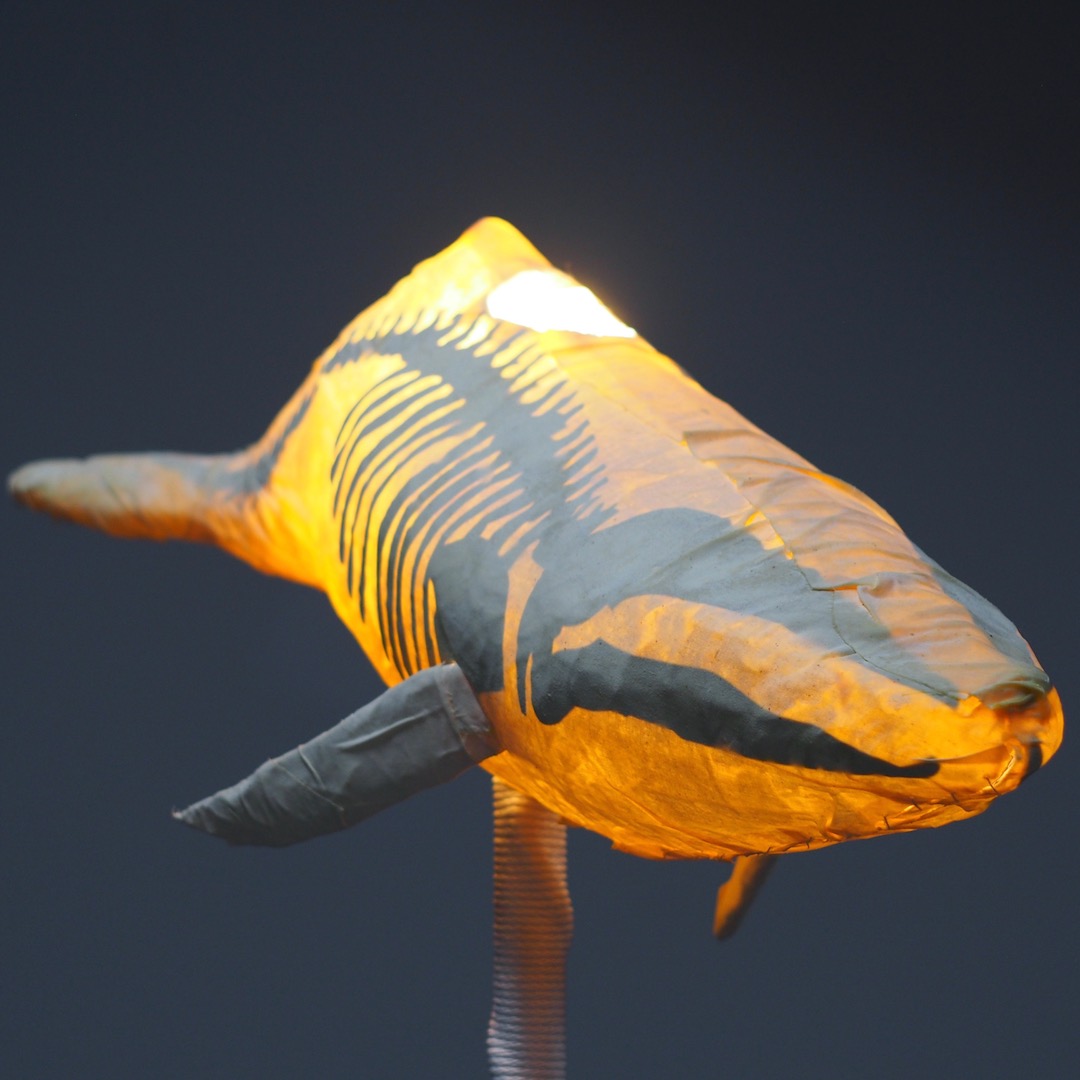
    6. Kristian Brevik and Starwatcher

    Kristian creates illuminated lanterns of whales and other creatures which aim to enhance connection between humans and other species and the environmental issues we face.

    Kristian has been making art for years and his beautiful lamps have recently struck a chord with locals. “The whale lanterns were very successful beyond what I was expecting at Art Hop, both in the response from the community, from press, and with sales, but in the months since then, I’ve been bogged down with organizational issues – accounting and taxes, having a clear business plan, developing a cohesive online presence and market,” Kristan wrote.

    Kristian is excited to keep up the positive momentum of his art business while getting a solid foundation in place through Jump/Start, which includes deciding on a legal business structure, setting up accounting systems, and figuring out which sales channels to prioritize.[/vc_column_text][/vc_column_inner][/vc_row_inner][vc_row_inner text_align=”left”][vc_column_inner column_padding=”no-extra-padding” column_padding_position=”all” background_color_opacity=”1″ width=”1/2″][vc_column_text]

    [/vc_column_text][/vc_column_inner][vc_column_inner column_padding=”no-extra-padding” column_padding_position=”all” background_color_opacity=”1″ width=”1/2″][vc_column_text]

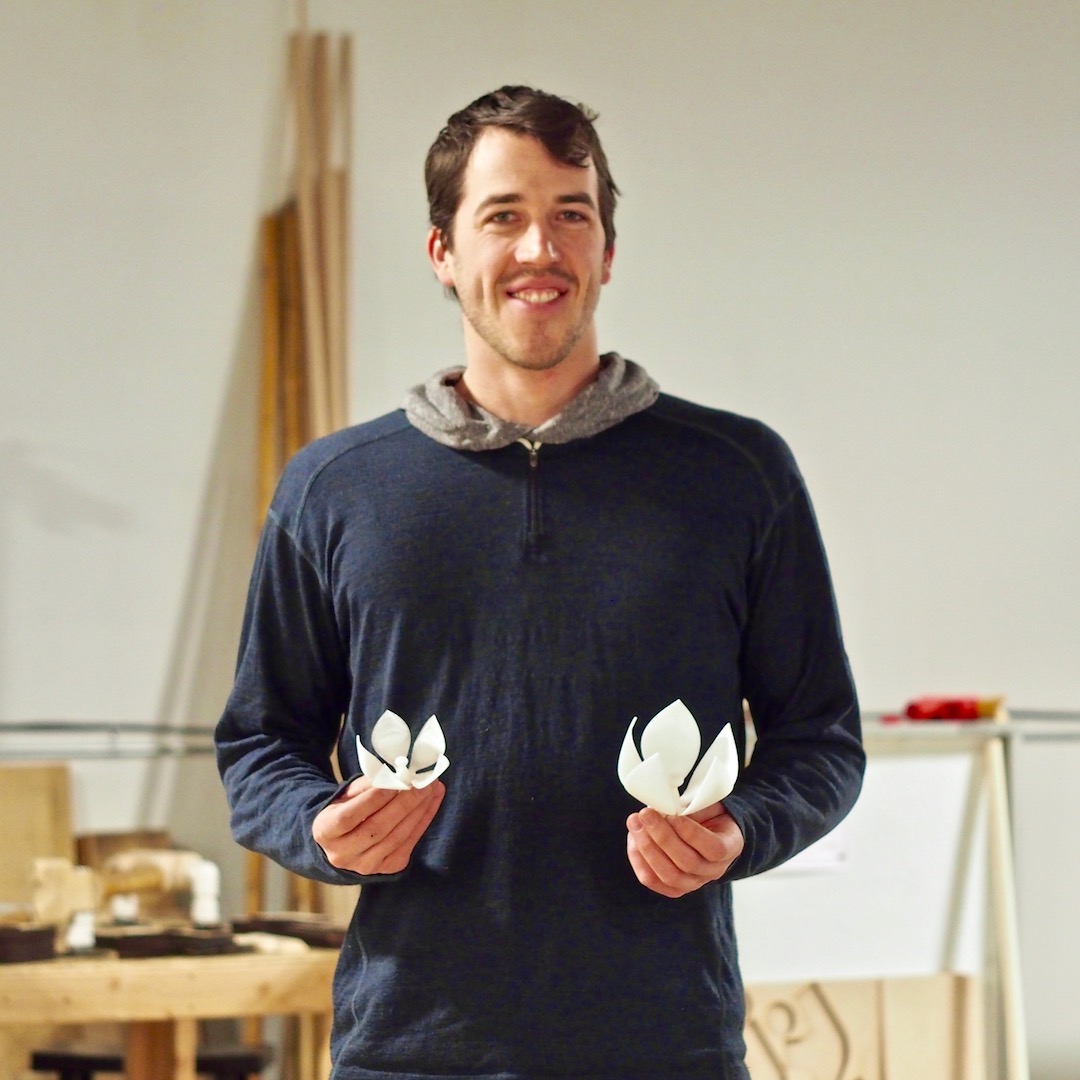
    7. Ezra Ranz-Schleifer and Bloom

    “Bloom is a beautifully futuristic take on artificial flowers featuring a modern design aesthetic and delightful interactivity possibilities,” Ezra writes. “I want to participate in JUMP/START because Bloom is a unique product that could infuse new ideas into the floral landscape- both aesthetically and from the business side where the model is based on reuse. I feel the focus of JUMP/START is perfect for the current stage of Bloom. Access to Generator would give me the necessary to tools to continue to refine the product and working with the guidance of mentors to hone a suitable business model and marketing strategy.”

    Ezra is looking forward to more prototyping, as well as figuring out how and when to integrate more elements into his artificial flowers, including scent and lighting.[/vc_column_text][/vc_column_inner][/vc_row_inner][vc_row_inner text_align=”left”][vc_column_inner column_padding=”no-extra-padding” column_padding_position=”all” background_color_opacity=”1″ width=”1/2″][vc_column_text][/vc_column_text][/vc_column_inner][vc_column_inner column_padding=”no-extra-padding” column_padding_position=”all” background_color_opacity=”1″ width=”1/2″][vc_column_text]

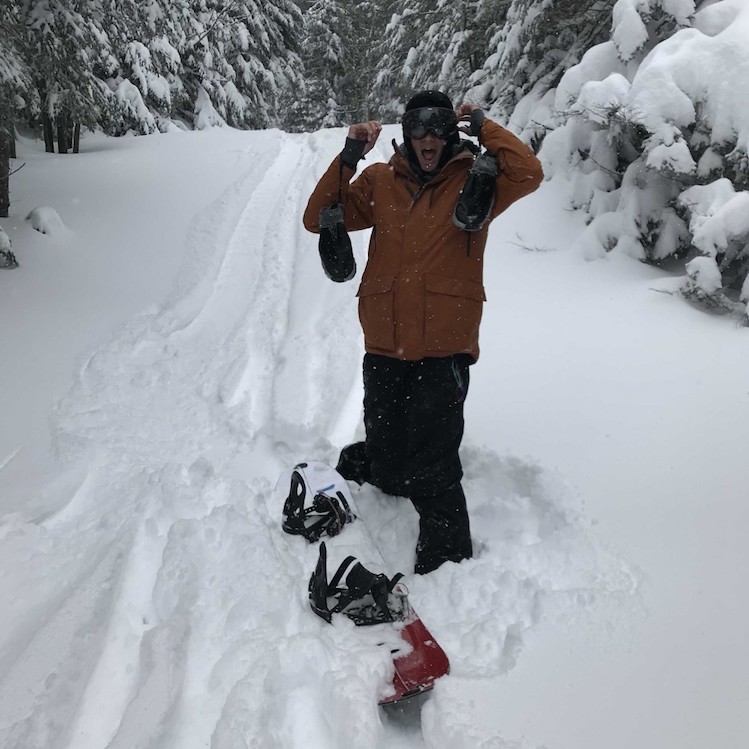
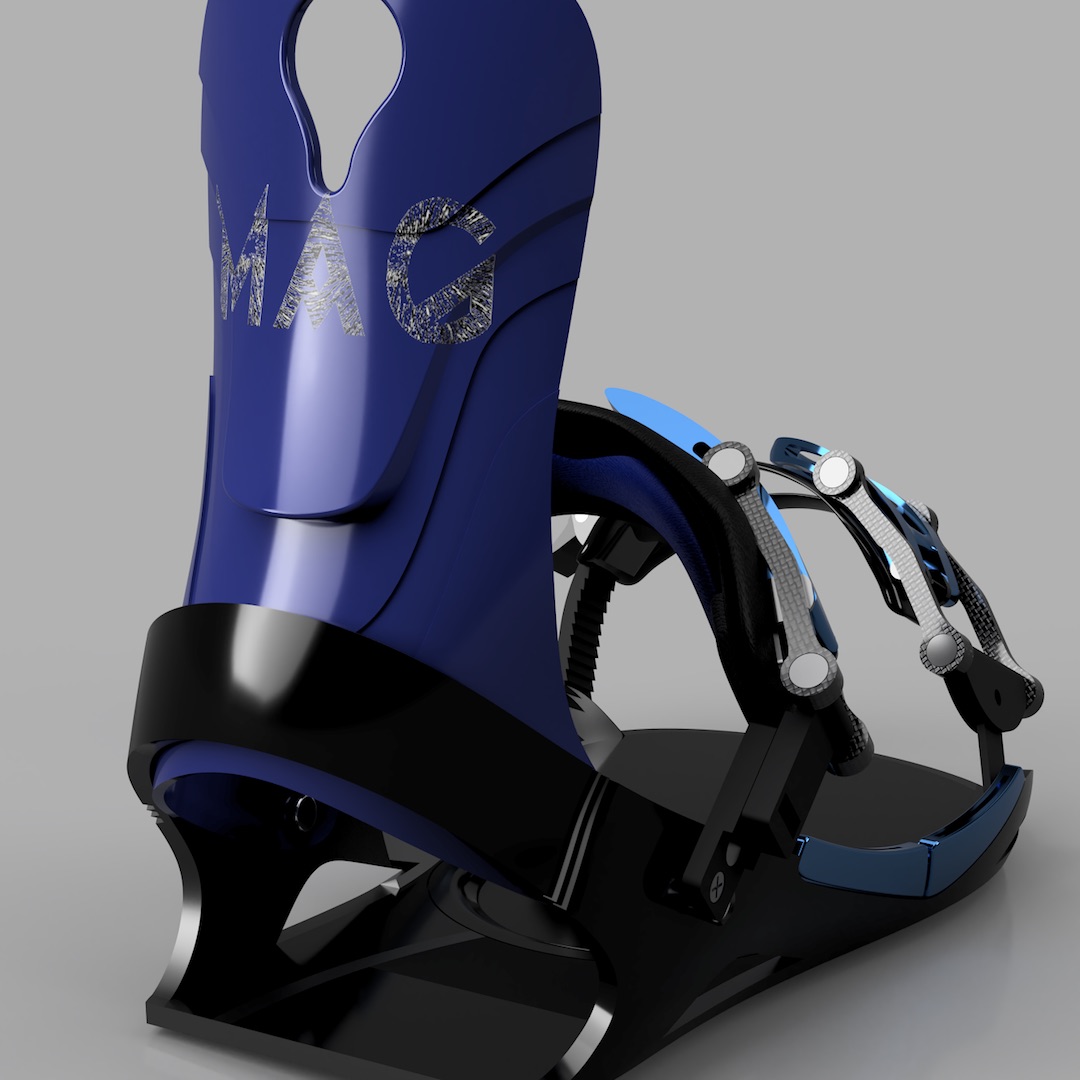
    8. Jaen Carrodine and MAG Bindings

    “MAG Bindings simplify the process of strapping into a snowboard. My proprietary design replaces the ratchets of a standard binding. This means that the “feel” of traditional straps is maintained but strapping in becomes faster and easier, ” Jaen writes.

    Last year, Jaen participated in the Catamount Innovation Fund Accelerator where he received valuable training in marketing, brand identity, pitching, and other business skills. He excited to continue this work and use Jump/Start to prepare for all aspects of taking his binding to market.[/vc_column_text][/vc_column_inner][/vc_row_inner][/vc_column][/vc_row][vc_row type=”in_container” full_screen_row_position=”middle” scene_position=”center” text_color=”dark” text_align=”left” overlay_strength=”0.3″][vc_column column_padding=”no-extra-padding” column_padding_position=”all” background_color_opacity=”1″ background_hover_color_opacity=”1″ width=”1/1″ tablet_text_alignment=”default” phone_text_alignment=”default”][/vc_column][/vc_row]
  • Maker in Residence: Michael Zebrowski

    Maker in Residence: Michael Zebrowski

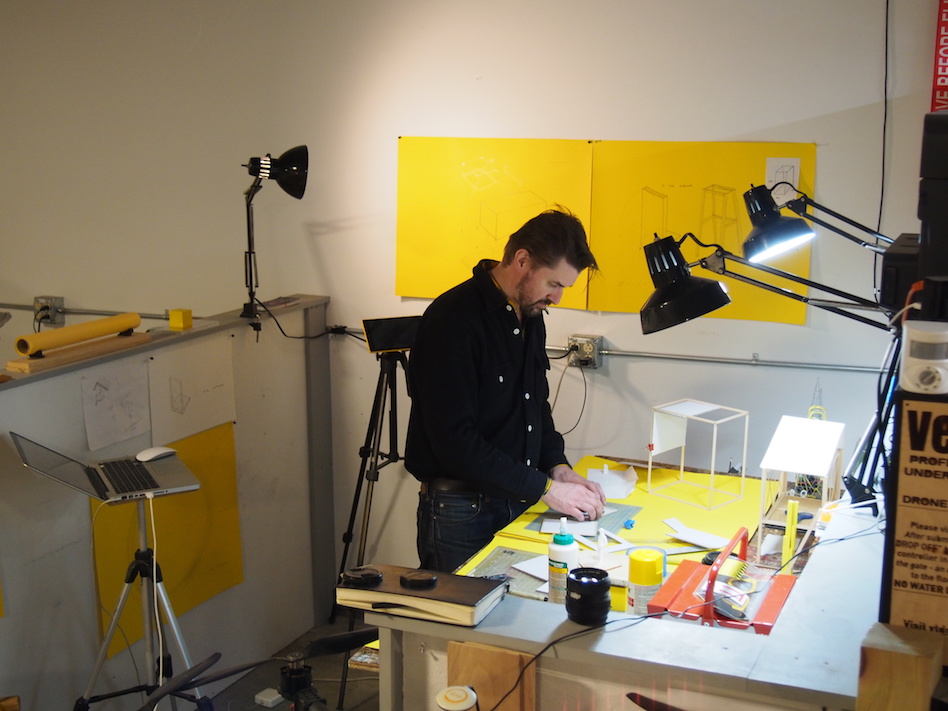
    Our January/February 2019 Maker in Residence is Michael Zebrowski and his public art and design studio, UP END THIS.

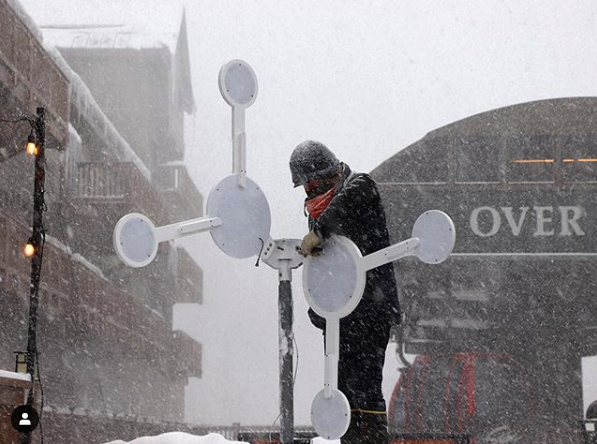
    Some may recognize Michael from a couple months back when he was at Generator finishing his project Water Molecules, a temperature sensitive light sculpture installed at Spruce Lodge at Stowe Mountain for their Festival of Lights.

    Photo credit: Spruce Peak Lodge


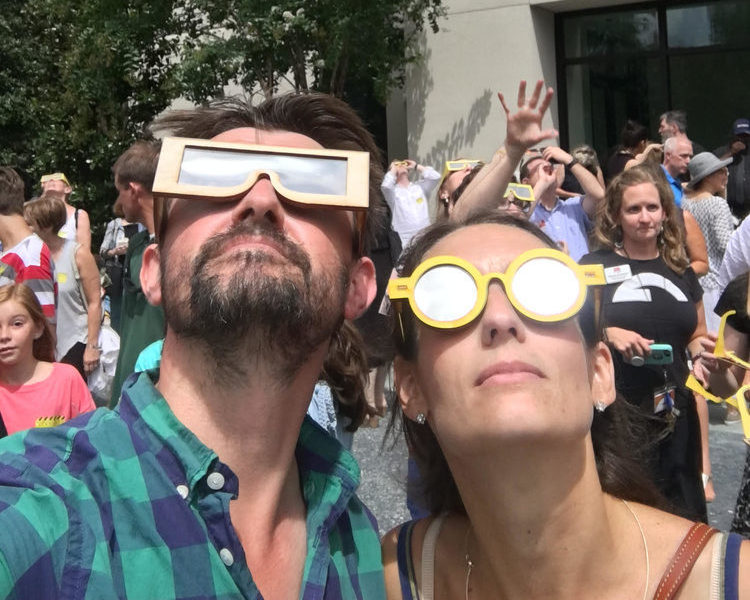
    Michael’s work spans art and science with an emphasis on interactive and useful structures and public art. He first ventured into designing products with his project Eclipse Survey, 100 pairs of eclipse viewfinder glasses that he designed and produced for the Gibbes museum of art in Charleston, South Carolina.


    Photo credit: Up End This


    Photo credit: Up End This

    Michael plans to use his 2-month residency at Generator to dive deeper into the product design process.

    His goal? To build the first full scale prototype of one of his “satellites,” a mobile and dynamic architectural structure.

    Michael asserts that the satellite isn’t like a tiny house. “It’s more in line with an inspired by the motor vehicle,” he said. He aims to make his beautiful and simple satellites DOT approved so they can be transported, and to add casters on the bottom that will allow them to spin in their locations so they take advantage of sun, shade, or different views. This will also help maximize the satellite’s solar power potential.

    While it’s easy to picture the satellite as a mobile living space, Michael can also see them being cafes, shops, and meeting places. He’s curious to see what uses people may have for the structures and to develop a business that serve’s peoples’ needs.

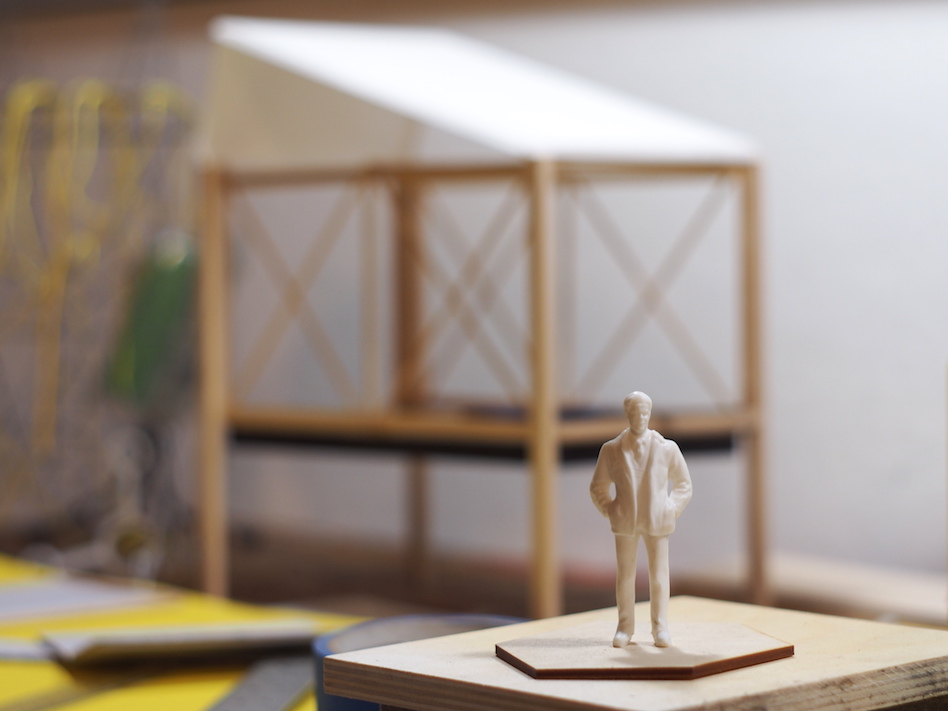
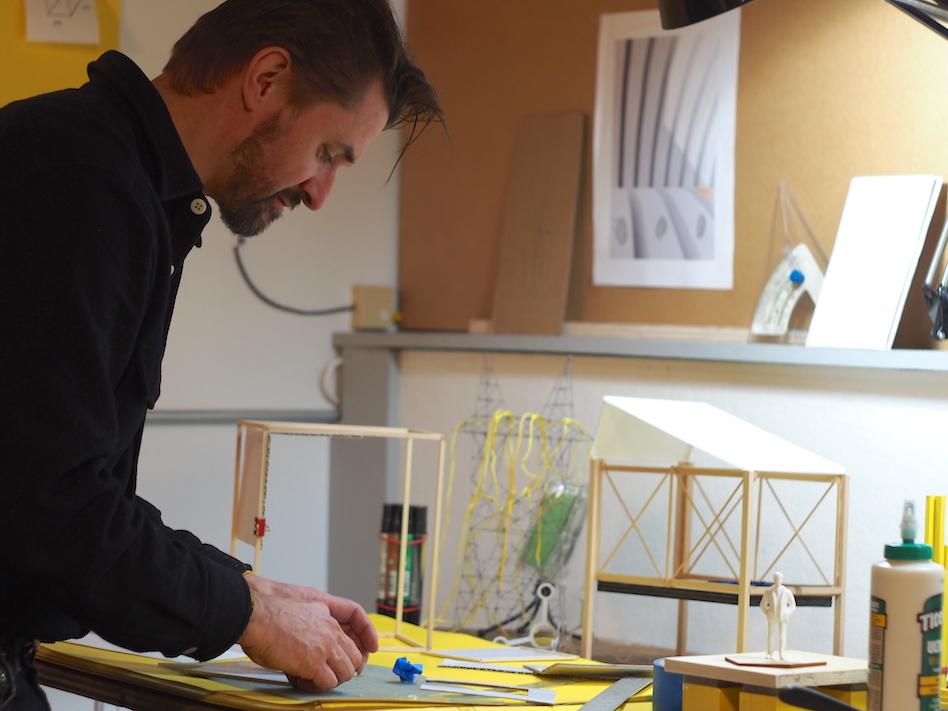
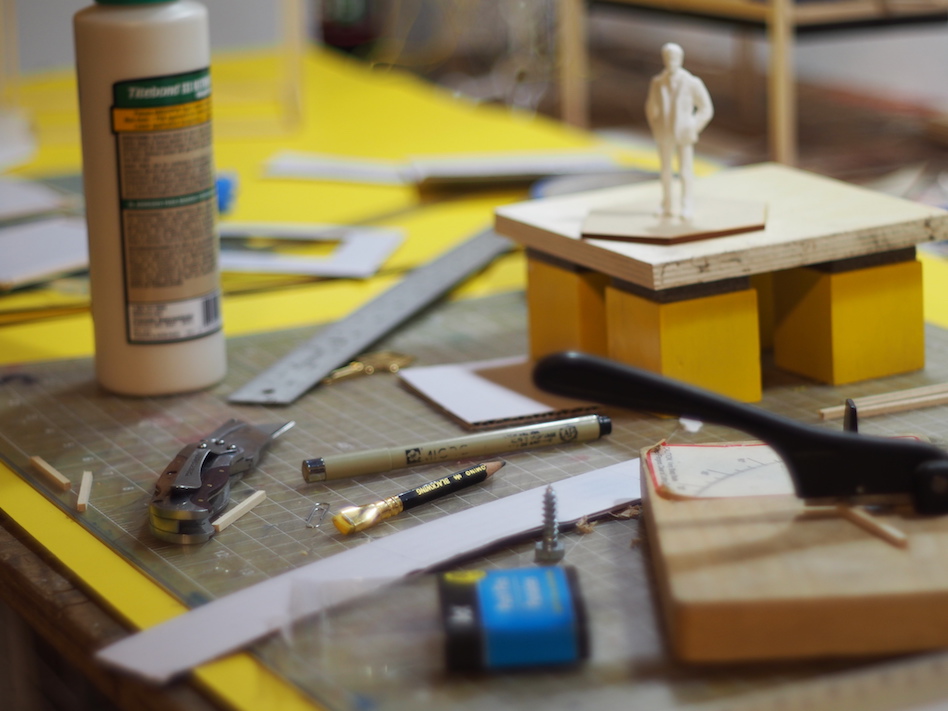
    Michael prefers basswood and foam board to 3D modeling programs, and we’re enjoying watching his colorful studio space pile up with different models. He plans build the first satellite over the next two months behind Generator. He’ll spend time in the wood shop with the CNC router which he’ll use to develop a radiant floor heating system. Michael also plans to use the plasma cutter and the electronics lab for outfitting the satellite with mechanical and electrical elements.

    Want to follow Michael’s residency? Subscribe to our newsletter and follow us on Instagram at @generatorvt.

  • Maker in Residence: Hilton Dier III

    Maker in Residence: Hilton Dier III

    Our November/December Maker In Residence is Hilton Dier III, a renewable energy expert and designer (and man of many talents and areas of work), who had this to say about his project:

    “The birth of this idea came during the Fukushima nuclear accident in 2011. I was contacted by a friend of a friend who was involved in radiation monitoring in that part of Japan. Their battery powered radiation monitors required Blackhawk helicopter flights (at $$$/hour) to replace batteries and he wanted a ruggedized portable solar power pack that could be deployed by non-expert soldiers. The Japanese government restored power before I had finished the design but the idea stayed with me. I have designed and prototyped a similar system for powering a network of medical clinic communication nodes in Malawi. I’d like to fabricate a working prototype of a single-person portable, rugged solar power pack. My rough estimate is that the major electrical parts (PV module, charge controller, inverter, battery) would cost around $450. There would be incidental costs for connectors, wire, adhesives, and similar supplies. The finished device would produce 12 volt DC and 120 volt AC power.”

    We’re looking forward to sharing more about what Hilton accomplished at Generator during his residency. If you’d like to hear more about Hilton, his work, and our Maker In Residence opportunities, sign up for our newsletter.

  • Pitch It, Fab It

    Pitch It, Fab It

    Call to innovative Vermonters!

    Do you have a product in early stage development that could benefit from a solid engineering push? Are you in need of a prototype that your customers can touch, feel and experience?

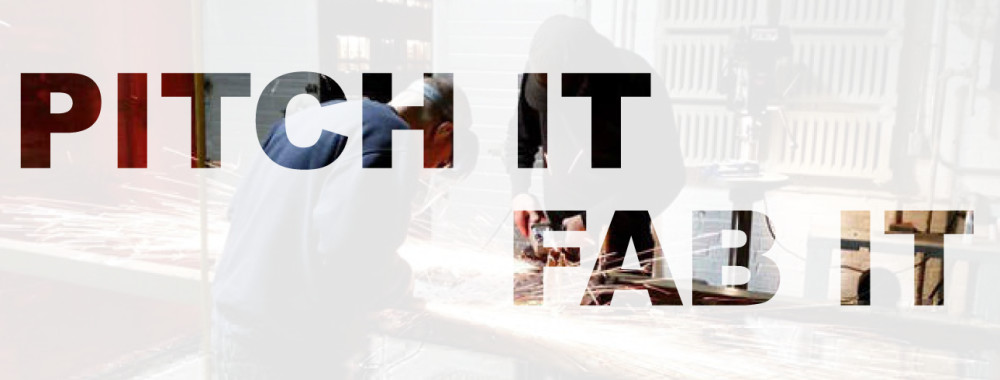
    Join UVM’s Instrumentation and Modeling Facility (IMF) and GENERATOR for an evening of invention and ingenuity. Dubbed ‘Pitch It, Fab It’ this fast and interactive evening of pitches is aimed at exciting the IMF to collaborate with you on your idea.

    Event Date: Wednesday, October 17 | 5:30 – 7:30pm
    Event Location: Generator is located at 40 Sears Lane, Burlington, VT 05401
    Deadline for Submissions: October 5th, 2018
    Check out a VIDEO about the competition!

    For 45 years IMF has designed and fabricated custom instruments and innovative prototypes for UVM researchers, emerging technology companies, and Vermont inventors. Here’s your chance to access the tools and minds on tap at IMF.  Learn more about IMF HERE

    Work with UVM Instrumentation and Model Facility (IMF to Design and Fabricate a Killer Product. With a single pitch, a team can walk away with up to $5,000 in-kind services, materials and expert mentoring for:

    • Precision machine and mechanical design consultation
    • High-resolution 3D printing using hard and flexible materials
    • And the parts and materials needed to build your prototype

    Past winners have included laboratory devices, kitchen products, specialty bartending apparatus, educational holography, farm equipment, robots for kids and more.

    HOW TO ENTER

    Prepare a pitch deck of SIX (6) slides that includes:

    1. Who you are, what’s your passion?
    2. Problem – What’s the challenge you’re tackling?
    3. Context – What makes this challenge significant?
    4. Solution – What’s your big idea?
    5. What does your model look like?
    6. How will you use the IMF?

    CLICK HERE TO DOWNLOAD A PITCH DECK TEMPLATE

    Populate a product description and share the link for your pitch deck.  Applications will be denied without the pitch. (Don’t worry, everything under your “details” tab is only seen by the judges and a live audience. If you have any questions, just click that little blue question mark on the right). You will receive an email from the competition hosts when you are accepted to the PITCH OFF. Pitch your product in 5 MINS or less to a panel of IMF-invited judges on Wednesday, October 17 at 5:30PM. Award decisions will be made that night, on the spot, by a panel of IMF and Generator judges.

    [button color=”accent-color” hover_text_color_override=”#fff” size=”medium” url=”https://survey.uvm.edu/index.php/571951?lang=en” text=”APPLY NOW” color_override=””]

    SCORING

    Pitches will be judged for their:

    • Clarity
    • Innovation
    • Feasibility

    TIMELINE

    All awardees have the opportunity to begin work immediately and are expected to maximize their use of the IMF facility to get their product prototype developed efficiently.

    Sponsors: UVM Instrumentation and Modeling Facility, UVM Office of the Vice-president for Research

    Thank You for Your Support